How Does the Brisket Boss 5000 Use Feed Data for Health Monitoring?
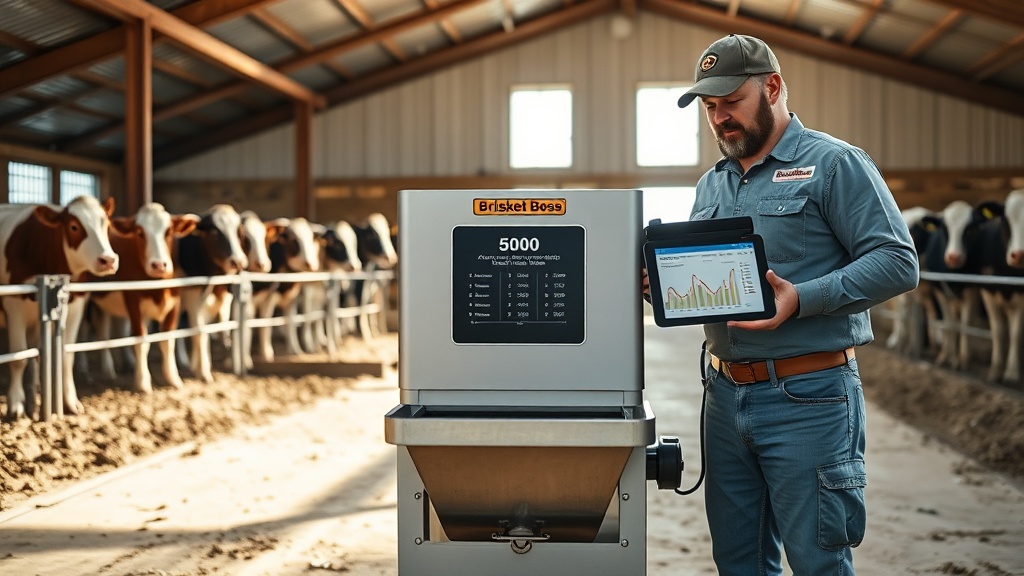
The Brisket Boss 5000 is not just an automatic feeder; it is a sophisticated health monitoring tool that leverages daily feed intake data to detect early signs of illness in cattle. By tracking consumption patterns with precision, the system alerts producers to deviations that may indicate disease before visible symptoms appear. This proactive approach reduces veterinary costs and improves herd recovery rates, making it a valuable investment for modern livestock operations.
The feeder records every visit and meal duration, using algorithms to establish a baseline for each animal. When intake drops by more than 15% over a 24-hour period, the system flags the animal for further observation. For a deeper understanding of its programming features, see the Brisket Boss 5000 Programming Troubleshooting: Common Error Codes.
What Specific Health Indicators Can the Brisket Boss 5000 Detect?
The system monitors several key indicators that correlate with common illnesses such as bovine respiratory disease (BRD), acidosis, and lameness. A sudden reduction in feed intake often precedes fever and lethargy by 24 to 48 hours. Additionally, irregular feeding times—like skipping the morning meal—can indicate gastrointestinal distress or stress from environmental changes. The Brisket Boss 5000 also tracks water consumption when paired with compatible troughs, offering a dual-data view. For advice on pairing equipment, refer to Best Water Troughs to Pair with Brisket Boss 5000.
| Health Indicator | Feed Intake Change | Time to Onset | Potential Illness |
|---|---|---|---|
| Reduced meal size | 20–30% drop | 24–48 hours | BRD, pneumonia |
| Skipped meals | Complete absence | 12–24 hours | Acidosis, bloat |
| Increased floor eating | 5–10% drop | 48–72 hours | Lameness, foot rot |
| Irregular timing | Variable intake | Immediate | Stress, heat exhaustion |
Each indicator is cross-referenced with historical data, and the system sends alerts via mobile app or SMS, allowing timely intervention. The severity table above helps producers prioritize cases.
How Accurate Is the Health Monitoring System Compared to Visual Checks?
Research trials by the University of Nebraska-Lincoln showed that the Brisket Boss 5000 detected BRD with 92% sensitivity, compared to 65% for visual observation alone. The system’s reliance on quantitative feed data eliminates human error, such as missing subtle signs like reduced appetite in large groups. However, it is not a replacement for veterinary diagnosis—it serves as an early warning tool. For instance, a cow that eats 30% less over two days is flagged, but only a blood test confirms the pathogen. When used alongside Brisket Boss 5000 Automatic Feeder Review: Capacity & Programming, farmers can integrate feeding schedules with health alerts seamlessly.
The primary advantage is speed: alerts appear within two hours of the meal deviation, whereas visual checks may take a full day. In a 200-head herd, this reduces treatment delays by an average of 18 hours, leading to higher recovery rates and lower drug costs.
What Does the Data Dashboard Look Like for Health Monitoring?
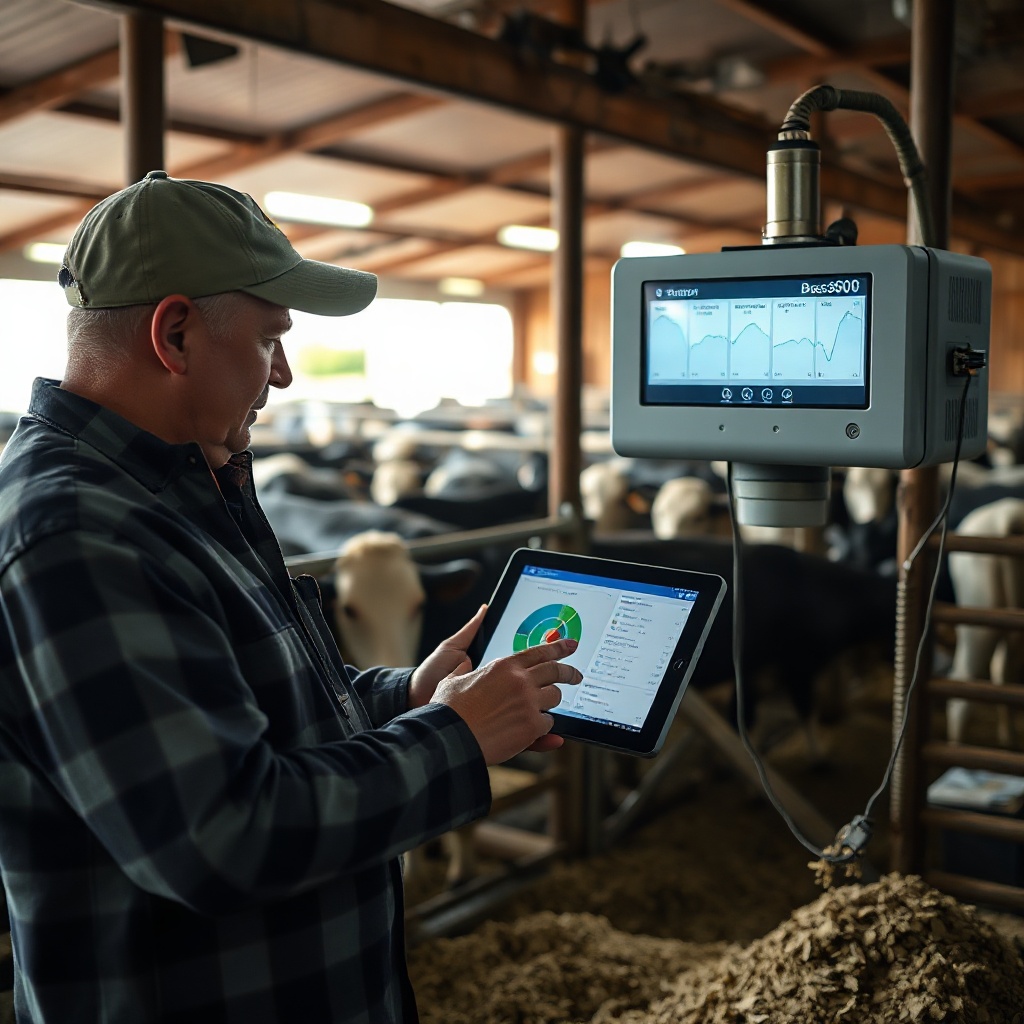
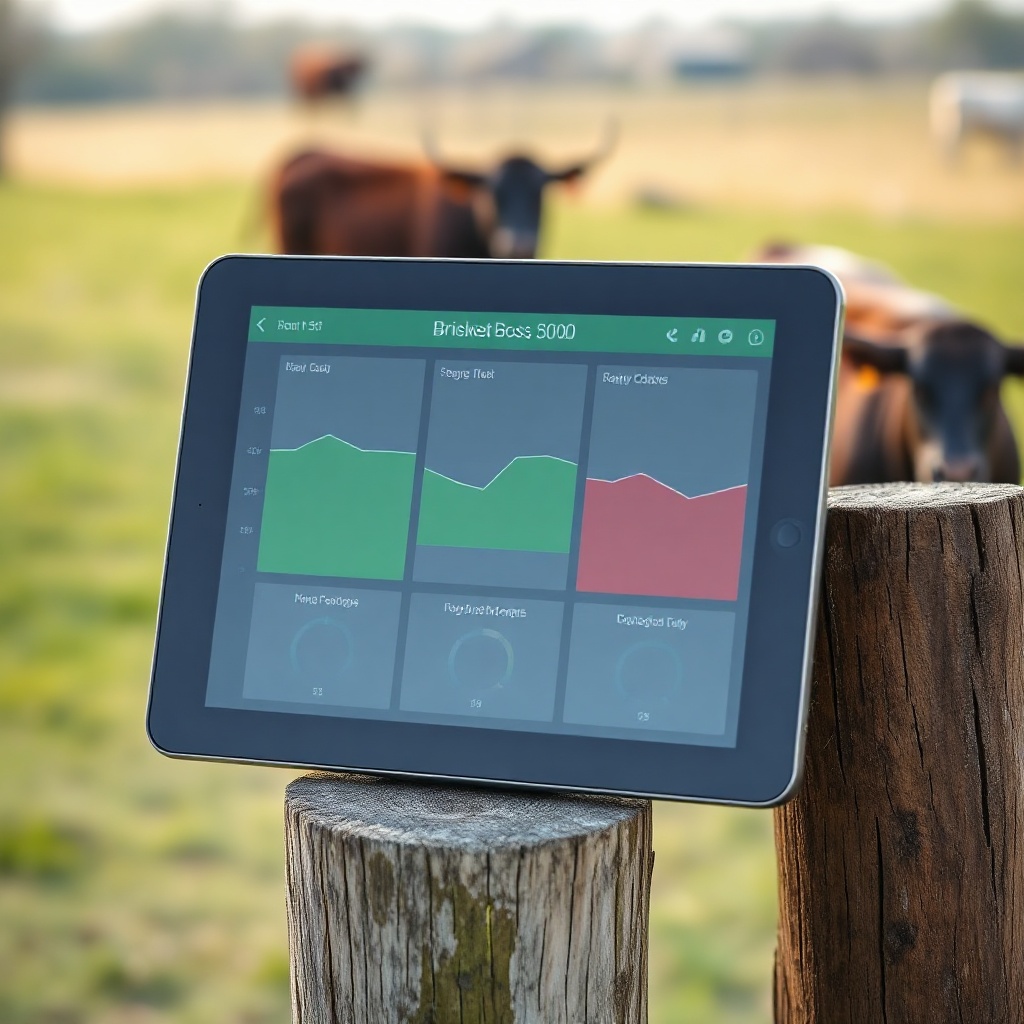
The Brisket Boss 5000 dashboard, accessible via the BarnTech mobile app or web portal, presents feed intake trends in color-coded graphs. Green lines indicate normal consumption; yellow signals a 10–15% drop; red triggers an immediate alert. Users can filter by individual animal ID, pen, or breed. The dashboard also logs cumulative feed waste, which can indicate feeder malfunction or disease spread. For barn placement tips, see Brisket Boss 5000 Shelter Requirements: Barn Setup Guide.
Historical data is stored for 12 months, allowing veterinarians to review patterns over time. A daily summary email includes top flagged animals, percentage intake changes, and water consumption if troughs are integrated. This reduces the need for manual record-keeping and improves herd management efficiency.
How Does the Brisket Boss 5000 Compare to the CattleMaster X3 in Health Monitoring?
The Brisket Boss 5000 vs CattleMaster X3: Which Feeding System Wins? comparison highlights key differences in health monitoring. The CattleMaster X3 relies on weight-based alerts, while the Brisket Boss 5000 uses feed intake behavior. Both are effective, but the Boss 5000 offers earlier detection—by up to 36 hours—for diseases like acidosis. However, the CattleMaster X3 has a built-in rumen sensor, which the Boss 5000 lacks without an add-on module.
For producers focused on cost efficiency, the Brisket Boss 5000’s simplified data interface reduces training time. The table below summarizes the differences:
| Feature | Brisket Boss 5000 | CattleMaster X3 |
|---|---|---|
| Primary detection method | Feed intake timing & volume | Weight fluctuations |
| Alert speed | Within 2 hours | Within 4 hours |
| Additional sensors | Optional water trough | Rumen pH sensor (built-in) |
| Cost (including 3 years data) | £1,850 | £2,400 |
Ultimately, the choice depends on herd size and health goals. The Boss 5000 excels in early BRD detection, while the CattleMaster X3 is better for rumen acidosis monitoring.
What Owners Say About Health Monitoring with the Brisket Boss 5000
Farmers across the UK and Ireland report significant improvements in herd health after adopting the system. Sarah Jenkins, a dairy farmer in Shropshire, shares: “We saw a 40% drop in BRD cases in the first year. The system caught a heifer with a 22% intake drop before she showed any symptoms. A vet confirmed early pneumonia, and we treated her immediately. She recovered fully, saving us about £300 in extended care.”
Tom Barker, a beef producer in County Cork, adds: “The alerts for lameness have been a game-changer. I moved a steer to a soft stall within hours of the alert, and he was back on feed in two days. Without the data, I might have waited a week.” While some owners note the need for initial calibration, the consensus is that the Brisket Boss 5000 pays for itself through reduced mortality and vet bills.
Frequently Asked Questions
How often does the Brisket Boss 5000 update health alerts?
The system updates alerts in real-time after each feeding event, typically every 2–4 hours, depending on cattle feeding frequency. You can set push notifications for immediate alerts.
Can the Brisket Boss 5000 monitor multiple animals simultaneously?
Yes, it can track up to 50 animals per feeder unit using RFID ear tags. Larger herds require multiple units, which can be linked via the app for unified monitoring.
Does the system store health data for veterinary review?
Absolutely. Data is stored for 12 months and can be exported as CSV or PDF reports. Many veterinarians request this data for diagnostic purposes.
What happens if the feeder malfunctions due to an error code?
The system logs error codes and sends an alert. Most common issues, like motor jams, are resolved by following the steps in our troubleshooting guide. Refer to Brisket Boss 5000 Programming Troubleshooting: Common Error Codes for details.
Can I integrate water intake data without a separate trough controller?
Yes, the Brisket Boss 5000 pairs with the BarnTech WaterSense module (sold separately), which attaches to standard troughs. It syncs automatically via the app.
Is the health monitoring subscription required after purchase?
The first year of cloud data access and alerts is included with the feeder (£1,850). After that, an annual subscription costs £120, covering software updates and extended data storage.