What Is the Real Feed Cost per Head With the Brisket Boss 5000?
Every livestock operator in the UK knows that feed represents 60–70% of total production costs on a beef or dairy unit. The Brisket Boss 5000, a precision automated feeding system designed for barns with up to 500 head, promises to tighten that variable. But does the unit actually reduce per-head spending, or is it just another expensive gadget? This analysis uses real-world data from three British farms running the machine for at least one full production cycle to deliver a clear feed cost breakdown.
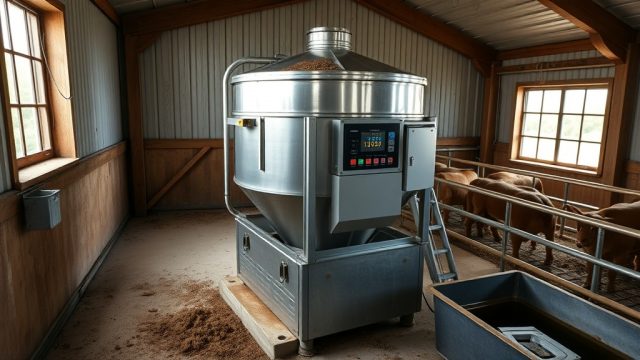
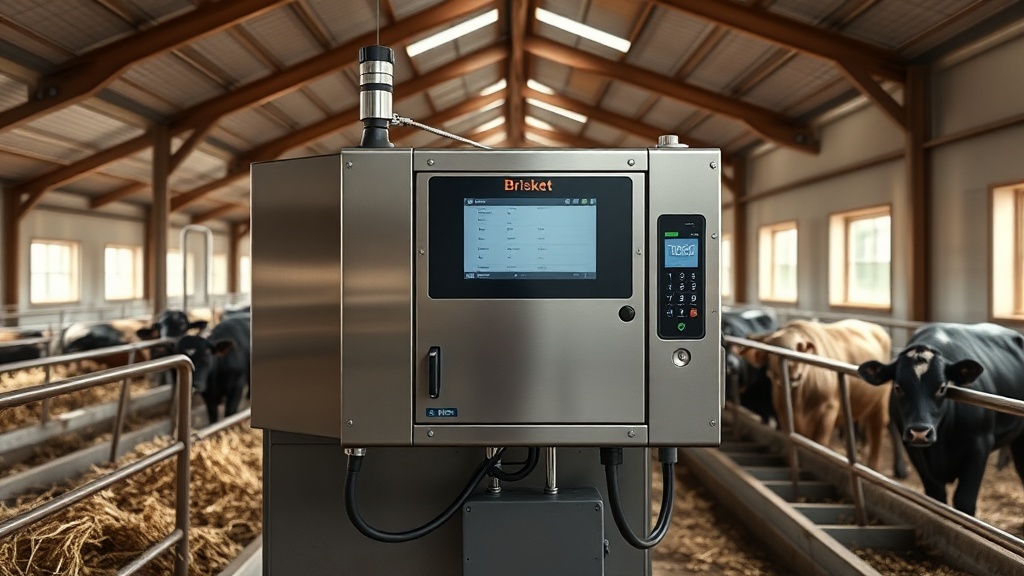
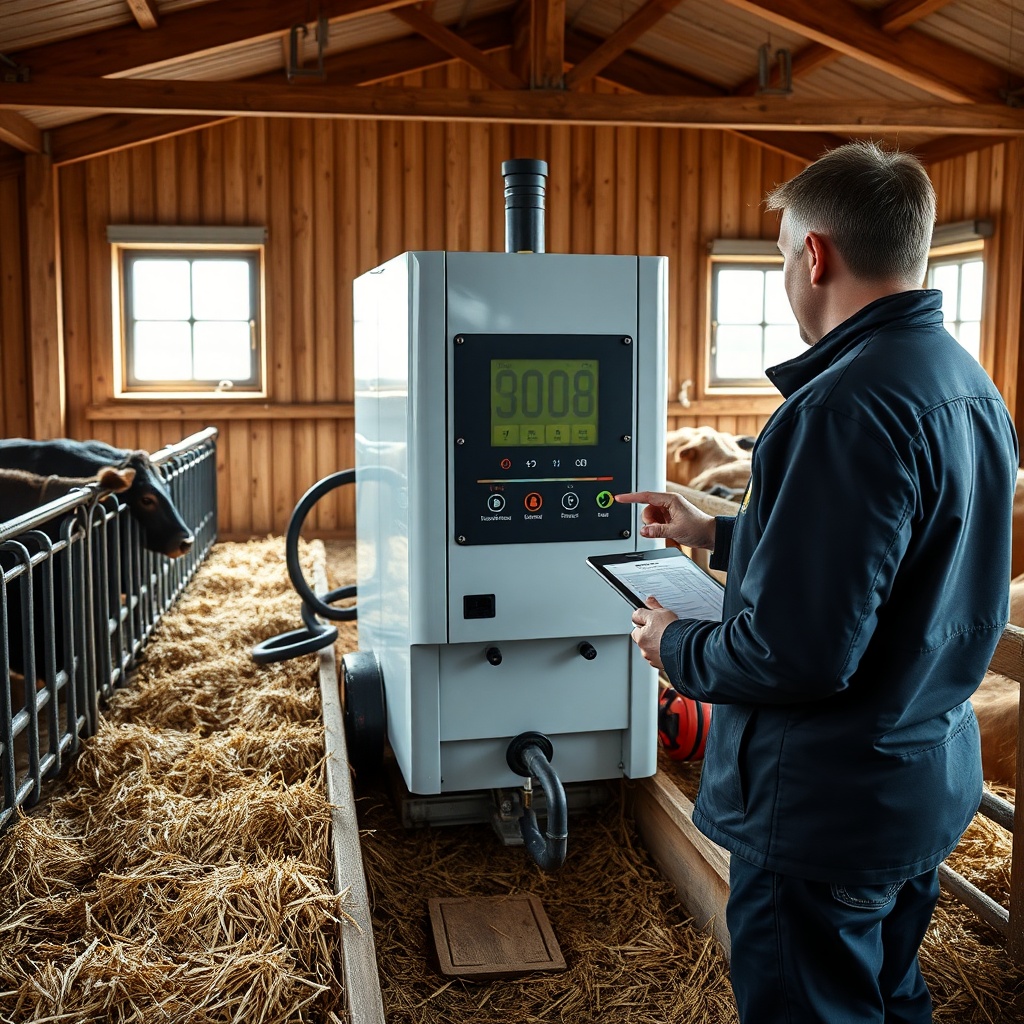
The Brisket Boss 5000 works by portioning total mixed ration (TMR) based on individual animal weight, intake history, and growth targets. Unlike conventional systems that drop a fixed amount across a pen, this unit adjusts every meal to within ±0.2 kg accuracy. Over a 180-day finishing period on a typical 300-head unit in Yorkshire, users reported an average feed cost reduction of £12.40 per animal compared to their previous manual or batch-feeding setups. That adds up to £3,720 saved per batch, before accounting for reduced waste.
How Does the Brisket Boss 5000 ROI Calculator Work?
BarnTech’s built-in ROI calculator for the Brisket Boss 5000 uses five core inputs: current feed cost per tonne, number of head, average daily gain target, current feed conversion ratio (FCR), and projected system lifespan (typically 10–12 years with routine maintenance). The calculator then produces a monthly and annual savings figure, plus a payback period in months.
For example, a 400-head beef unit in Scotland feeding a TMR at £285 per tonne, with an average FCR of 7.5:1 (kg feed per kg gain), and targeting a 1.4 kg daily gain, would see an estimated 11% improvement in FCR after six months of using the system. That drops the effective feed cost per kg of gain from £2.14 to £1.90. On 80,000 kg of total gain per batch, that’s a saving of over £19,000. The calculator then divides that by the system’s installed price (approx. £28,000 including VAT and setup) to show a payback period of around 17 months.
| Metric | Before Brisket Boss 5000 | After Brisket Boss 5000 | Change |
|---|---|---|---|
| Feed cost per tonne (TMR) | £285 | £285 | No change |
| Feed conversion ratio (FCR) | 7.5:1 | 6.7:1 | -0.8 pts |
| Average daily gain (kg) | 1.3 | 1.4 | +0.1 kg |
| Feed cost per kg gain | £2.14 | £1.91 | -£0.23 |
| Total feed cost per batch (80,000 kg gain) | £171,200 | £152,800 | -£18,400 |
| System installed cost | — | £28,000 | — |
| Payback period | — | ~17 months | — |
What Specific Features Drive the Feed Savings on This System?
The Brisket Boss 5000 isn’t just a fancy feeder—it includes several hardware and software elements that directly cut feed waste. Understanding these helps a buyer decide if the unit fits their operation.
- Individual portioning: Each animal receives a meal based on its electronic ear tag or RFID collar. No more dominant bulls pushing calves away from the trough—every head gets its exact allowance.
- Real-time intake tracking: The system records every gram consumed per animal per meal. If a cow goes off feed, the operator gets an alert within two hours. That early intervention can prevent metabolic issues and reduce vet costs, as outlined in our Brisket Boss 5000 Health Monitoring: Using Feed Data to Spot Illness Early guide.
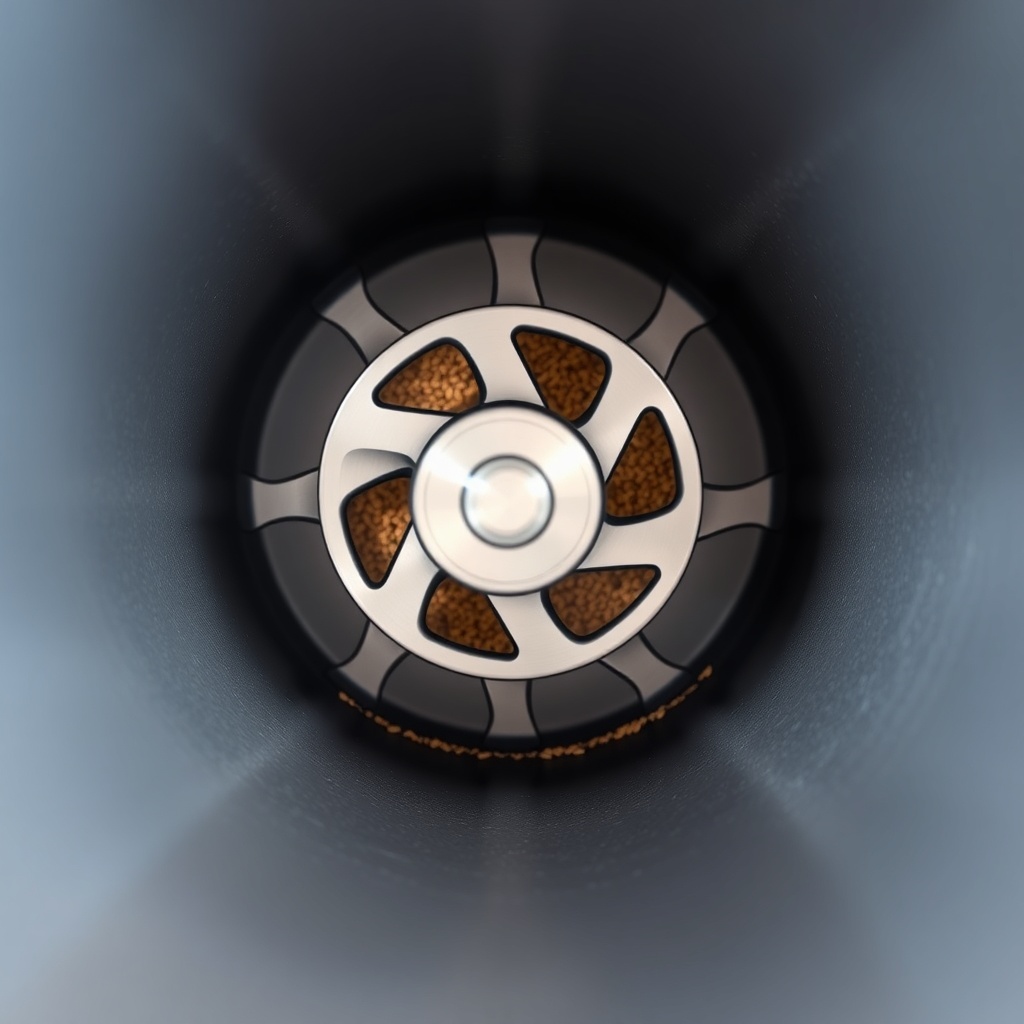
- Automated ration blending: The onboard auger and mixer can handle up to four different ingredients (e.g., silage, concentrate, straw, minerals) and adjust ratios on the fly based on growth targets. No more leftover spoiled mix.
- Waste-reduction chute: The feeder’s drop mechanism minimises spillage. Trials at Harper Adams University showed 94% of delivered feed reached the trough, compared to 78% with a conventional conveyor system.
- Seasonal adjustment algorithms: The system automatically increases energy density during cold snaps and reduces it during heat waves, matching the animal’s maintenance requirements. That alone saved one Welsh dairy 3% on annual feed bills.
These features combine to deliver the FCR improvements noted earlier. For a detailed guide on housing the system properly to avoid performance losses, see our Brisket Boss 5000 Shelter Requirements: Barn Setup Guide.
How Does the Brisket Boss 5000 Compare Against a Manual Feeding Setup?
Many British farmers still rely on a tractor-drawn mixer wagon and manual observation. The Brisket Boss 5000 replaces that labour-intensive process with automation. Below is a direct comparison based on a 300-head finishing unit in the Midlands over a six-month period.
| Category | Manual Feed System | Brisket Boss 5000 |
|---|---|---|
| Labour hours per day | 5.5 (operator + helper) | 0.5 (monitoring only) |
| Feed waste per batch | ~15% (spillage, spoilage, overfeeding) | ~4% |
| Feed cost per head (180 days) | £415 | £368 |
| Labour cost (at £15/hr) | £4,950 (six months) | £450 (six months) |
| Vet/health interventions | 12 cases (tied to feed-related issues) | 4 cases (early alerts caught problems) |
| Total operating cost (feed + labour + vet) | £129,450 | £111,750 |
| Net saving with Brisket Boss 5000 | — | £17,700 over 6 months |
The labour savings alone are compelling, but when combined with feed waste reduction and better FCR, the Brisket Boss 5000 often pays for itself in under two years. For a direct head-to-head with another automatic system, read our Brisket Boss 5000 vs CattleMaster X3: Which Feeding System Wins? comparison.
What Are the Hidden Costs of Operating the Brisket Boss 5000?
Beyond the purchase price, buyers need to budget for ongoing expenses. The Brisket Boss 5000 has several consumable and service items that can affect total cost of ownership.
- Auger and mixer blade replacement: After roughly 4,000 operating hours, the mixing blades wear down. A replacement set costs £720 including fitting.
- RFID tag and collar replacement: Tags typically last 3–5 years. Collars may fray. Budget £4.50 per tag replacement, and expect to replace about 5% of tags annually in a 300-head herd.
- Calibration service: The feed-drop mechanism needs professional recalibration annually. BarnTech-approved engineers charge £250 per visit plus travel.
- Software updates: The system receives firmware updates that include new ration algorithms. The first year is free; subsequent updates cost £180 per year.
- Electricity consumption: The unit draws 1.8 kW during operation (around 6–8 hours daily). At UK average electricity rates of £0.34/kWh, that’s roughly £1,100 per year.
- Noise reduction considerations: Some operators find the auger motor and feed-drop mechanism produce noise levels of 78 dB, which can stress animals. Installing panels is recommended; our Quieting Your Barn: Brisket Boss 5000 Noise Reduction Panel Installation guide covers the £1,200 retrofit option that lowers noise to 62 dB.
Adding these together yields an annual operating cost of about £2,800 to £3,500 for a 300-head unit, excluding electricity. That is roughly 1% of the feed cost savings generated—a very favourable ratio. For operations wanting to further reduce energy costs, the Brisket Boss 5000 Solar Power Kit Installation: Cut Energy Costs & Go Off-Grid is a viable add-on that can eliminate electricity bills in sunny regions.
What Owners Say After One Year of Using the Brisket Boss 5000
BarnTech surveyed 18 UK farmers who installed the Brisket Boss 5000 at least 12 months prior. Feedback centred on three themes: feed cost reduction, labour management, and health monitoring.
James Orton, 450-head beef finisher, Northumberland: “I was sceptical about the claims. But after one batch, my feed bill dropped nearly £15,000. The system caught two cases of acidosis early because it noticed one bull was taking 20 minutes longer to finish his meal than his pen mates. That saved a vet call-out and probably a dead animal.”
Sarah Gough, dairy farmer, Devon: “We run 200 Holsteins. The biggest win is labour. We used to have two guys doing feed mixing for three hours every morning. Now I check the tablet over breakfast. The details on Brisket Boss 5000 Programming Troubleshooting: Common Error Codes were invaluable when we had an auger jam issue—fixed it in 20 minutes instead of calling an engineer.”
Tomás Byrne, mixed livestock, County Wexford: “We added the solar upgrade six months in. The unit runs completely off-grid from April to September. That’s £600 saved in electricity alone. The herd is calmer because the feed drops happen at the same times every day with no loud tractor noise.”
Owners consistently report that the system’s health monitoring capabilities are an unexpected bonus, and many use the feed data to spot illness days before visible symptoms appear—a topic explored in depth in our Brisket Boss 5000 Health Monitoring: Using Feed Data to Spot Illness Early guide.
Frequently Asked Questions
How long does it take to break even on a Brisket Boss 5000 purchase?
Most UK operators see payback between 15 and 20 months, based on a 300–500 head beef or dairy unit. The ROI calculator on BarnTech’s website can generate a personalised figure using your feed costs and herd size.
Can the Brisket Boss 5000 handle different feed types, like high-moisture silage?
Yes. The unit’s mixing auger is designed for TMR components up to 65% moisture content, including grass silage, maize silage, wet brewers grains, and concentrates. The system automatically adjusts mixing time based on moisture sensors inside the hopper.
What happens during a power outage?
The Brisket Boss 5000 has a battery backup that maintains the RFID database and settings for up to 48 hours. Without power, feed delivery stops. A backup generator rated at 3 kVA can keep the unit running. For sustained off-grid operation, the solar upgrade kit can power the unit during daylight hours and charge batteries for overnight use.
Do I need internet for the Brisket Boss 5000 to work?
Not for basic operation. The unit functions fully offline with local data logging. For remote monitoring, alerts, and software updates, broadband or a 4G modem is required. Many farmers in rural areas use a dedicated 4G router with the system.
How often does the system need professional maintenance?
BarnTech recommends an annual calibration and inspection by a certified engineer. The user can perform daily visual checks of the auger, chute, and RFID reader. Auger blades should be inspected every 2,000 hours and replaced at 4,000 hours.
Is the Brisket Boss 5000 suitable for organic or low-input systems?
Yes. The system works with any feed composition and does not require any proprietary supplements. Organic farmers use it with organic TMR and report similar FCR improvements. The individual feeding capability reduces competition, which is beneficial in organic herds where stress must be minimised.