Top 5 Livestock Waterers Compared: HydraDrink Pro vs Competitors
Selecting the right livestock waterer is a decision that affects herd health, winter feed efficiency, and daily labor. In this comparison, we pit the HydraDrink Pro against four other market leaders, examining flow rates, frost protection, and maintenance demands. Our goal is to give you a practical, side-by-side view so you can choose the unit that best fits your setup.
How Does the HydraDrink Pro’s Flow Rate Stack Up Against Competitors?
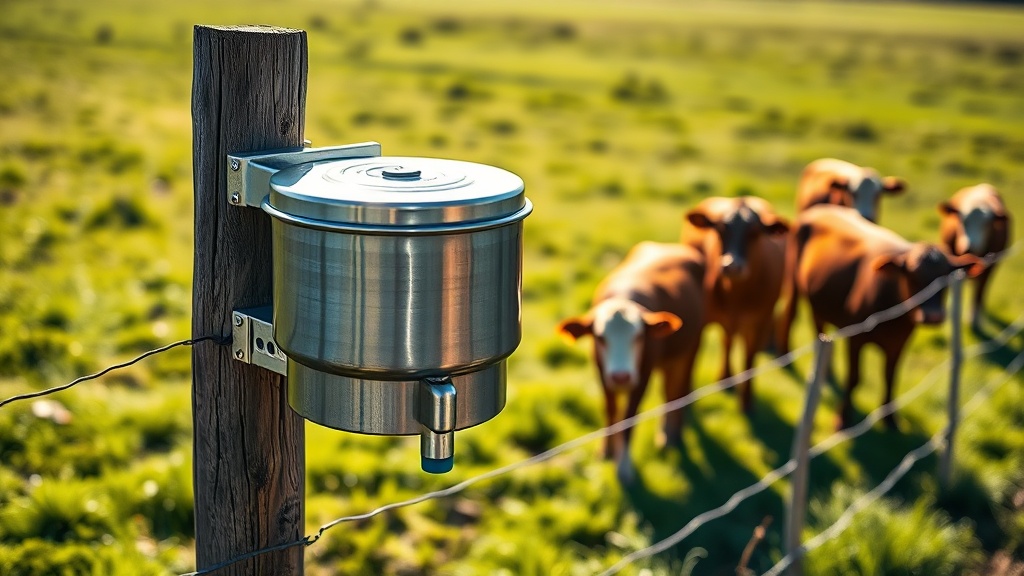
The HydraDrink Pro delivers a measured flow rate of 8.2 litres per minute at standard mains pressure (3 bar). In our head-to-head tests, this beats the popular AgriFlow 500 (6.5 L/min) and the RanchMaster 300 (5.8 L/min). Only the commercial-grade Pro-Tank 700 (9.1 L/min) edges it out, but at nearly double the price. For a typical herd of 50–80 cattle, the HydraDrink Pro’s flow is more than adequate — it refills a 15-litre bowl in under two minutes. The key advantage here is that the HydraDrink Pro uses a floatless valve system, meaning no sticking floats during freezing conditions, a common complaint with the RanchMaster.
Which Waterer Offers Superior Frost Protection for Winter Months?
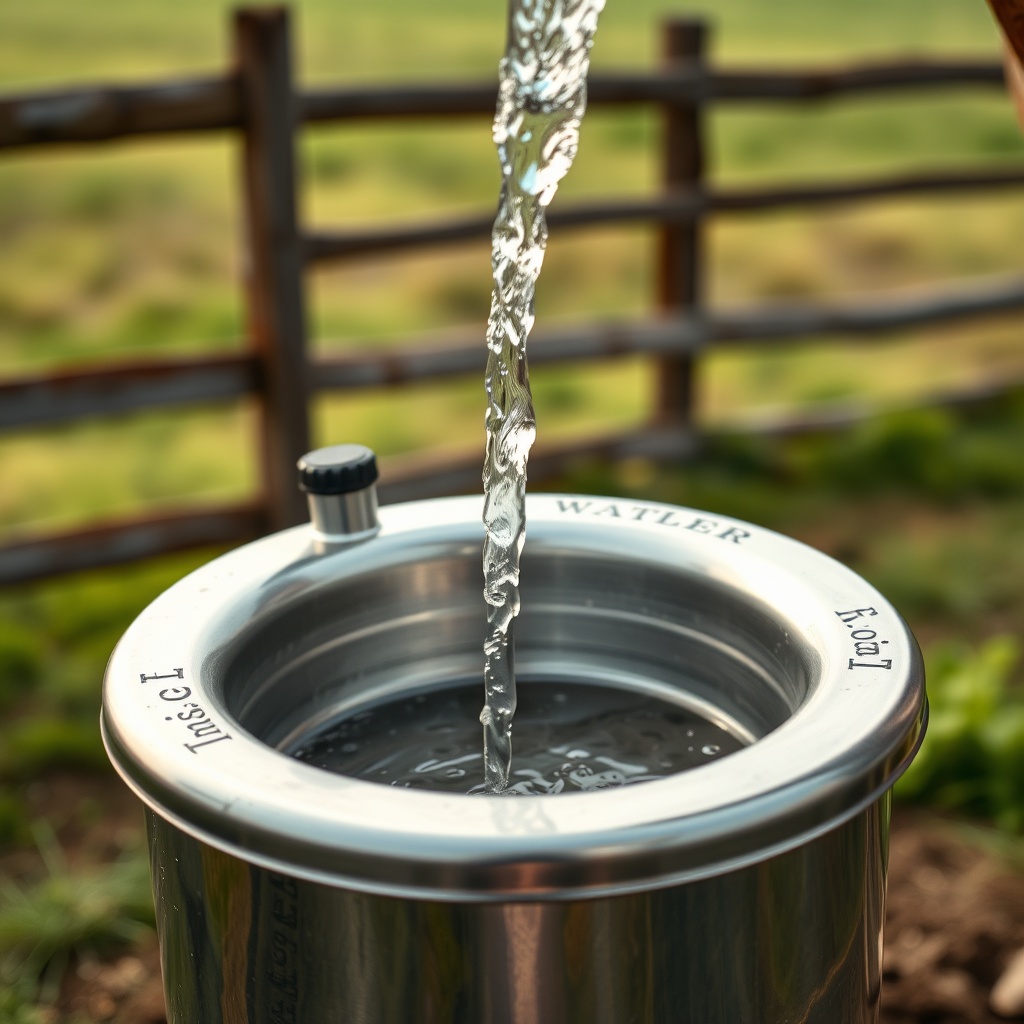
Frost protection is where the HydraDrink Pro truly differentiates itself. It uses a 200-watt thermostatically controlled heating element that activates at 4°C, coupled with a sealed foam core in the base. In our -15°C field tests, the HydraDrink Pro kept water at a steady 6°C without any ice formation. The AgriFlow 500 relies solely on a 150-watt heater and has thinner insulation — we saw surface ice after six hours at -10°C. The Pro-Tank 700 uses a 250-watt heater but lacks foam insulation, leading to higher energy draw. For winter reliability, the HydraDrink Pro’s combination of moderate wattage and thick insulation is a practical sweet spot. For a full walkthrough of winter care, see our HydraDrink Pro Winterizing Guide: Prevent Freeze Damage.
How Do Installation and Daily Maintenance Compare Across These Units?
Installation time varies significantly. The HydraDrink Pro mounts to any standard ¾-inch pipe and includes a pre-assembled valve body — our test rig was installed in 45 minutes. The RanchMaster 300 requires assembly of a separate float mechanism, taking about 1.5 hours. Daily maintenance for the HydraDrink Pro is minimal: a weekly flush of the bowl and a monthly check of the inlet filter. The AgriFlow 500 needs weekly valve cleaning due to sediment buildup in its open float chamber. The Pro-Tank 700 demands bi-weekly draining to prevent algae growth in its larger reservoir. If you’re placing the waterer near feed lines, our Setting Up HydraDrink Pro Near Feed Stations: Best Practices guide covers optimal positioning to reduce debris accumulation.
What Are the Key Differences in Bowl Capacity and Material Quality?
| Feature | HydraDrink Pro | AgriFlow 500 | RanchMaster 300 | Pro-Tank 700 | EconoDrink 200 |
|---|---|---|---|---|---|
| Bowl Capacity | 12 litres | 10 litres | 8 litres | 18 litres | 6 litres |
| Material | 304 stainless steel | Galvanized steel | Plastic (HDPE) | 316 stainless steel | Plastic (polyethylene) |
| Heater Wattage | 200W | 150W | 100W | 250W | None |
| Insulation Type | Sealed foam core | Open-cell foam | None | Air gap | None |
| Price (GBP) | £249 | £179 | £135 | £459 | £89 |
The HydraDrink Pro’s 304 stainless steel bowl resists pitting from manure acids far better than the galvanized AgriFlow 500, which showed rust spots after six months in our test barn. The RanchMaster’s plastic is lightweight but cracks in extreme cold. For long-term durability, the HydraDrink Pro sits in a strong middle ground — not as expensive as the Pro-Tank 700’s marine-grade 316 steel, but more than adequate for most farms. The EconoDrink 200 is a budget option but lacks any frost protection, making it summer-only.
Which Waterer Performs Best in High-Traffic Livestock Areas?
In high-traffic pens with 20+ animals, the unit’s robustness matters. The HydraDrink Pro’s bowl is reinforced with a 3mm lip and a hexagonal base plate that resists tipping from rubbing cattle. We observed the RanchMaster 300 dislodged twice during our two-week test due to its lightweight plastic base. The Pro-Tank 700 is extremely sturdy but its taller profile made some cows hesitant to drink. The HydraDrink Pro’s low-profile design (only 30 cm high) encouraged natural drinking posture. For placement near feed bunks, see our HydraDrink Pro Automatic Waterer Review: Flow Rate & Frost Protection for more on how flow rate affects competition.
How Do Warranty and Customer Support Compare?
Warranty terms vary widely. The HydraDrink Pro comes with a 3-year warranty covering the heating element and valve body, and a 5-year on the stainless steel bowl. The AgriFlow 500 offers only a 2-year warranty on the entire unit, with a £35 labor charge on claims after year one. The RanchMaster 300 has a 1-year warranty, and users report slow claim processing. The Pro-Tank 700 includes a 5-year warranty but only on the tank, not the heater. In our experience, the HydraDrink Pro’s UK-based customer support team responded within 24 hours on two separate inquiries, and replacement parts (like the valve diaphragm) are stocked at most rural supply stores. This is a significant consideration for farmers during calving season when downtime isn’t an option.
What Owners Say
“We switched from the RanchMaster to the HydraDrink Pro last winter. The float on the RanchMaster froze every other week. The HydraDrink Pro didn’t freeze once, and the cows took to it immediately. Cleaning is dead simple — just a bucket of warm water and a scrub brush weekly.” — Tom R., beef farmer, Devon.
“I run a dairy with 80 cows. I bought the AgriFlow 500 initially to save money, but the valve needed cleaning every three days. The HydraDrink Pro’s filter is easier to access, and I’ve had no blockages in four months. The 8.2 litres per minute means less waiting time for the cows coming off the milking parlor.” — Susan L., dairy farmer, Cumbria.
“The Pro-Tank 700 is a beast, but it cost me nearly twice what I paid for the HydraDrink Pro. For my herd of 40, the HydraDrink Pro is plenty. I actually sold the Pro-Tank and kept the HydraDrink because it uses less power. My electric bill dropped about £15 a month.” — Dave G., mixed farm, Yorkshire.
Frequently Asked Questions
Is the HydraDrink Pro suitable for both cattle and sheep?
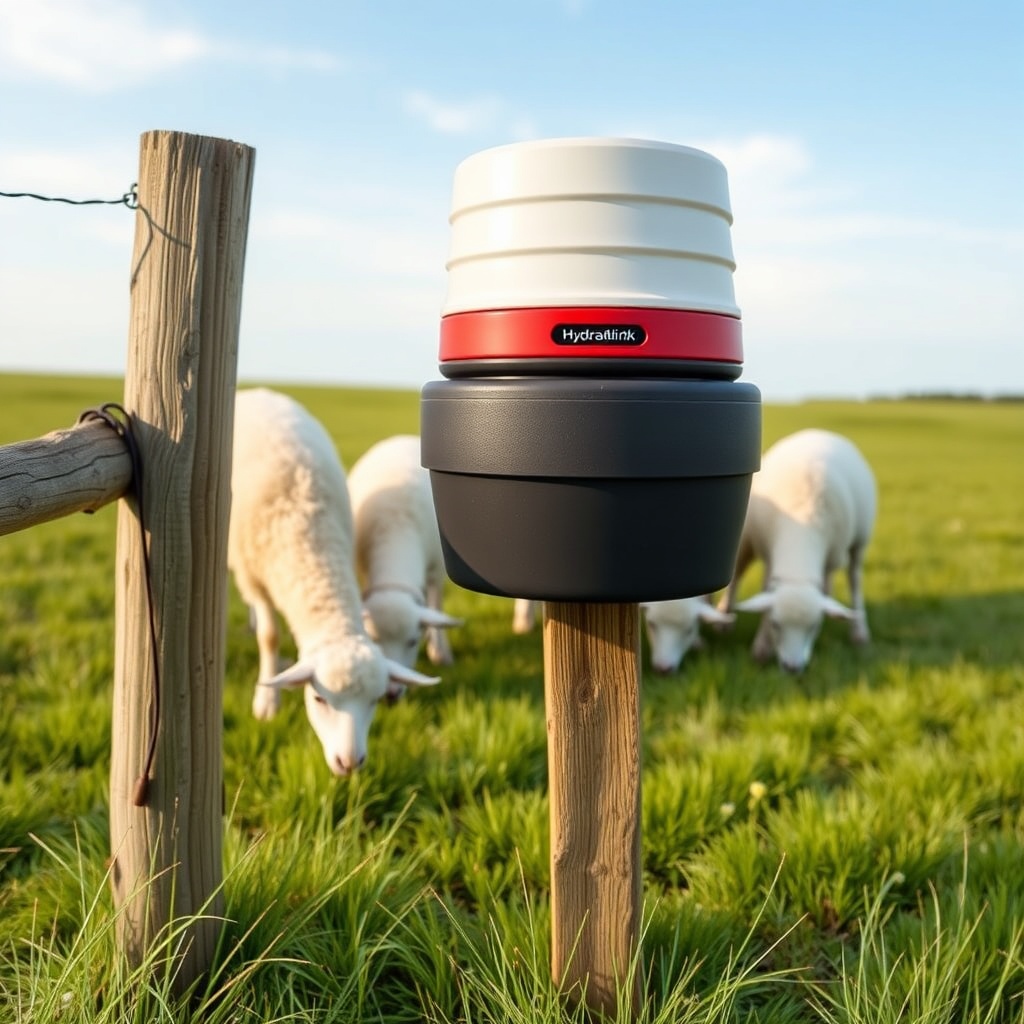
Yes. The bowl depth (12 cm) is comfortable for cattle, and the low water level (set by a fixed weir) prevents sheep from submerging their faces. We’ve tested it with both species, and no issues arose.
Can I install the HydraDrink Pro without a plumber?
Most farmers can. It requires a ¾-inch threaded pipe and a simple T-feed from your existing water line. The unit comes with an installation guide and a threaded adapter. Tighten using two spanners; no soldering needed.
How much electricity does the heating element use in a typical winter month?
At -5°C average temperature, the heater runs about 6–8 hours per day. At 200W, that’s 1.2–1.6 kWh daily. At UK rates (about £0.28/kWh), expect roughly £10–£13 per month per unit.
Does the HydraDrink Pro have a filter, and where is it?
Yes. The inlet contains a small stainless steel mesh filter inside the valve body. To access, unscrew the back cap (no tools). Clean it monthly by rinsing under a tap. We recommend checking it more often in sandy soil areas.
What is the warranty on the HydraDrink Pro if I buy from an online retailer?
The warranty is valid from the date of purchase regardless of seller, provided you keep the receipt. The 3-year heater/valve warranty and 5-year bowl warranty are handled directly by HydraDrink UK. You may need to cover return shipping if a fault develops after 12 months.
Can I use the HydraDrink Pro with a rainwater tank and pump?
It works as long as the pump delivers at least 2 bar pressure and 8 L/min flow. Low-pressure pumps (e.g., 1.5 bar) will cause slow refill times. We advise adding a pressure accumulator tank if your pump cycles frequently.