Setting Up HydraDrink Pro Near Feed Stations: Best Practices
Positioning a HydraDrink Pro near feed stations is a practical way to encourage consistent water intake in livestock, but it requires careful planning to avoid contamination, equipment damage, and wasted effort. Properly paired with the HydraDrink Pro Automatic Waterer Review: Flow Rate & Frost Protection unit, this setup can boost herd health while reducing daily labor. John Miller outlines the key considerations for farmers and ranchers looking to integrate this automatic waterer into their feeding areas.
How Close Should the HydraDrink Pro Be to the Feed Bunk?
Distance matters more than many realize. While it’s tempting to place the waterer right next to the feeder for convenience, that can lead to issues with feed fines entering the bowl and rapid fouling from dropped silage. John recommends keeping the HydraDrink Pro between 8 and 15 feet from the nearest feed station—close enough for cattle to step easily from feed to water, but far enough to prevent feed debris from splashing into the drinking bowl. For smaller animals like sheep or goats, reduce that to 6–10 feet. In all cases, ensure the waterer sits on slightly higher ground than the feed area to prevent runoff from manure slurry or spilled feed from flowing into the unit’s base.
What Slope or Drainage Do You Need Under the HydraDrink Pro?
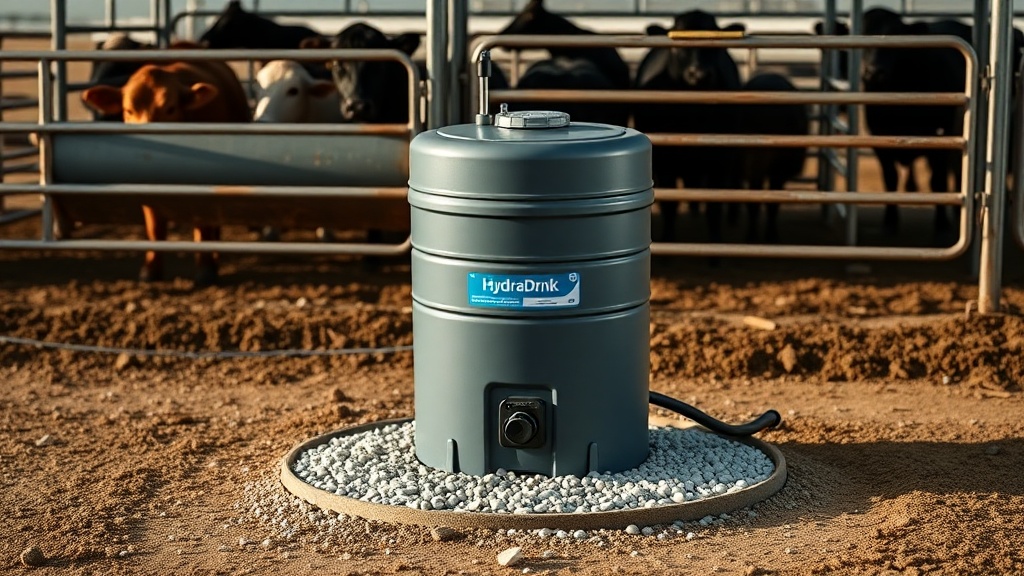
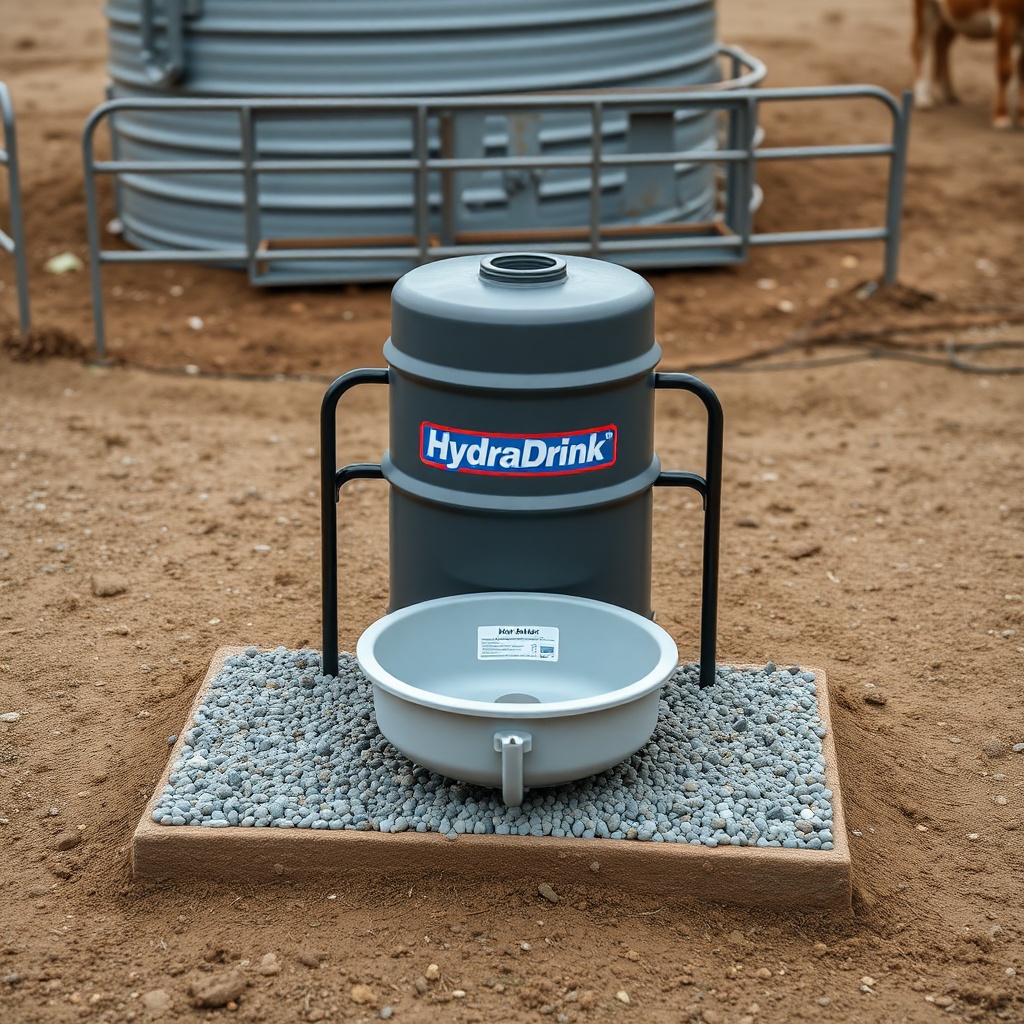
A common mistake is setting the HydraDrink Pro on flat ground with poor drainage. Even though the unit has a self-cleaning anti-splash bowl design and a built-in overflow drain, the surrounding soil must move water away. John advises creating a 2–3% gravel pad (about 1/4 inch fall per foot) extending at least 4 feet beyond the waterer in all directions. Use Class 2 or 3 washed gravel to allow water to percolate quickly. This prevents mud holes from forming, which can attract flies and cause lameness. If you’re installing on clay soil, consider adding a perforated drainpipe around the pad’s perimeter to route excess water to a dry well or nearby ditch.
Do You Need a Separate Power Line for the HydraDrink Pro Near Feeders?
The HydraDrink Pro’s electric heating element draws up to 600 watts during extreme cold, and its float-activated pump draws another 150 watts. If you’re placing it near an existing feed station, it’s tempting to piggyback onto an existing outlet—but John warns against sharing a circuit with motors or heated feed equipment. A dedicated 12-gauge, 20-amp circuit with GFCI protection is the minimum for reliable operation. For long runs over 100 feet, step up to 10-gauge wire to reduce voltage drop. If your feed station uses overhead lighting or timer-driven augers, run a separate underground line so a tripped breaker on the feeder doesn’t knock out your waterer in freezing weather. For more cold-weather specifics, see the HydraDrink Pro Winterizing Guide: Prevent Freeze Damage.
How Do You Protect the HydraDrink Pro From Feed-Soiled Water?
Cattle often step in feed or manure before drinking, and that debris can foul the drinking bowl quickly. The HydraDrink Pro’s shallow-bowl design helps, but John suggests adding a heavy rubber mat (5/8-inch thick, horse-stall grade) in a 3×4 foot area immediately in front of the waterer. This gives animals a place to scrape hooves before stepping up. Additionally, install a low concrete curb or pressure-treated timber border around the waterer’s pad, leaving a 2-inch gap on the sides to channel runoff away. This keeps feed particles from being kicked into the bowl. Weekly cleaning with a stiff brush and clean water—no harsh chemicals—keeps the float mechanism and heating element functioning well.
What’s the Best Orientation: Bowl Facing Feed or Facing Away?
Livestock behavior matters. John recommends orienting the drinking bowl so livestock approach from the side, not head-on toward the feed bunk. When the bowl faces perpendicular to the feed line, animals finish eating, turn 90 degrees, and drink without crowding the waterer. This reduces competition and lowers the risk of feed dropping into the bowl. If space is tight and the unit must face the feed bunk, install a low barrier (like a 2-foot-high pipe rail) between the feed and the waterer to prevent feed splash. For multiple HydraDrink Pro units, stagger them so each has its own approach lane.
Should You Use Concrete or a Prefab Pad for the HydraDrink Pro?
Both work, but each has trade-offs. Concrete pads are durable and won’t shift over time—ideal for permanent installations. John suggests a 4-inch-thick slab reinforced with welded wire mesh, with a broom finish for traction. The pad should be 3 feet wider than the waterer’s footprint on each side. Prefab heavy-duty rubber or composite pads are faster to install and allow you to move the waterer easily if you rotate pastures, but they can sink in soft soil after a few seasons. For feed station setups that stay put, concrete is the better value despite the higher upfront cost (roughly £300–£500 for materials and labor). If you go prefab, top the pad with 2 inches of compacted crushed stone to prevent settling. Compare long-term performance of different setups in the Top 5 Livestock Waterers Compared: HydraDrink Pro vs Competitors article.
| Issue | Typically Not Urgent | Needs Attention Soon |
|---|---|---|
| Gravel pad depth | 2–3 inches of loose stone | Less than 1 inch, or bare soil around base |
| Distance from feed bunk | 10–15 feet with dry ground | Less than 6 feet, or noticeable feed debris in bowl daily |
| Power circuit sharing | Same circuit with lights only | Shared with auger motor or heat lamp |
| Hoof mat condition | Mat present, some wear | Mat missing, waterer pad muddy |
| Bowl cleanliness | Minor sediment after 3 days | Green algae or visible manure in bowl |
What Owners Say
Tom from Herefordshire runs a 60-head beef herd and placed his HydraDrink Pro 12 feet from his round bale feeder. He reports, “It cut my daily walk to scrape out the old tank by half, and the water stays clean unless a rainstorm blows feed into the bowl.” Over in North Yorkshire, Sarah manages a 40-head dairy and says, “I oriented the bowl sideways per John’s advice, and my cows no longer push each other out of the way. But I did have to widen the gravel pad—it was only 2 feet at first and got sloppy within a month.” Both owners agree that the upfront gravel prep pays off. For a fuller review of the unit’s features, read the full HydraDrink Pro Automatic Waterer Review: Flow Rate & Frost Protection.
Frequently Asked Questions
1. Can I install the HydraDrink Pro directly under a hay feeder?
No. Direct placement invites feed debris and manure into the bowl. Keep it at least 8 feet away, or install a solid barrier between the waterer and the hay feeder.
2. How deep should the water line be buried from the feed station to the HydraDrink Pro?
At least 18 inches deep in most climates, and 36 inches in areas with frost lines below 24 inches. Use insulated water pipe to prevent freezing in the run.
3. Will the HydraDrink Pro’s heater keep water ice-free in a feed station area with no shelter?
Yes, down to -20°F (-29°C) as long as the power supply is dedicated and the unit’s thermostat is set to high. The bowl’s foam insulation helps maintain temperature even with wind exposure.
4. How often should I clean the water bowl if it’s near feed?
Every 3 days minimum. In wet weather or with high-moisture feeds, increase to every other day. A quick rinse with a hose is usually enough unless you see algae.
5. Can I hook two HydraDrink Pro units to one 20-amp circuit?
Only if the total wattage stays under 1,500 watts and both units aren’t heating at full power simultaneously. For reliability, John recommends a separate circuit for each unit.
6. Is the HydraDrink Pro compatible with automatic feed systems that include TMR mixers?
Yes, but keep the waterer on a separate gravel pad away from mixer discharge areas to avoid feed splash. The float valve works with standard garden hoses or 3/4-inch polyethylene pipe.