Why a Hydraulic and Rust-Proofing Checklist Matters for CattleMaster X3 Owners
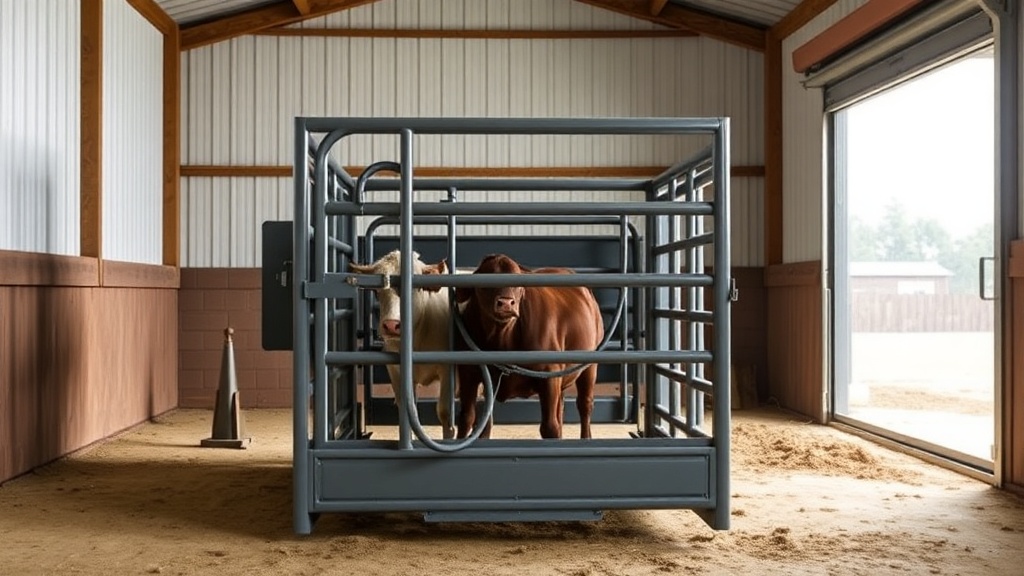
The CattleMaster X3 is a heavy-duty handling unit built to last, but its hydraulic system and steel frame demand regular attention. Neglecting either can lead to costly downtime or premature wear. This maintenance checklist focuses on the two trouble spots that show up most in owner forums: hydraulic fluid integrity and rust prevention. Use it alongside the CattleMaster X3 Squeeze Chute Review: Safety & Ease of Use for a complete ownership plan.
How Often Should You Check the Hydraulic Fluid Level and Quality?
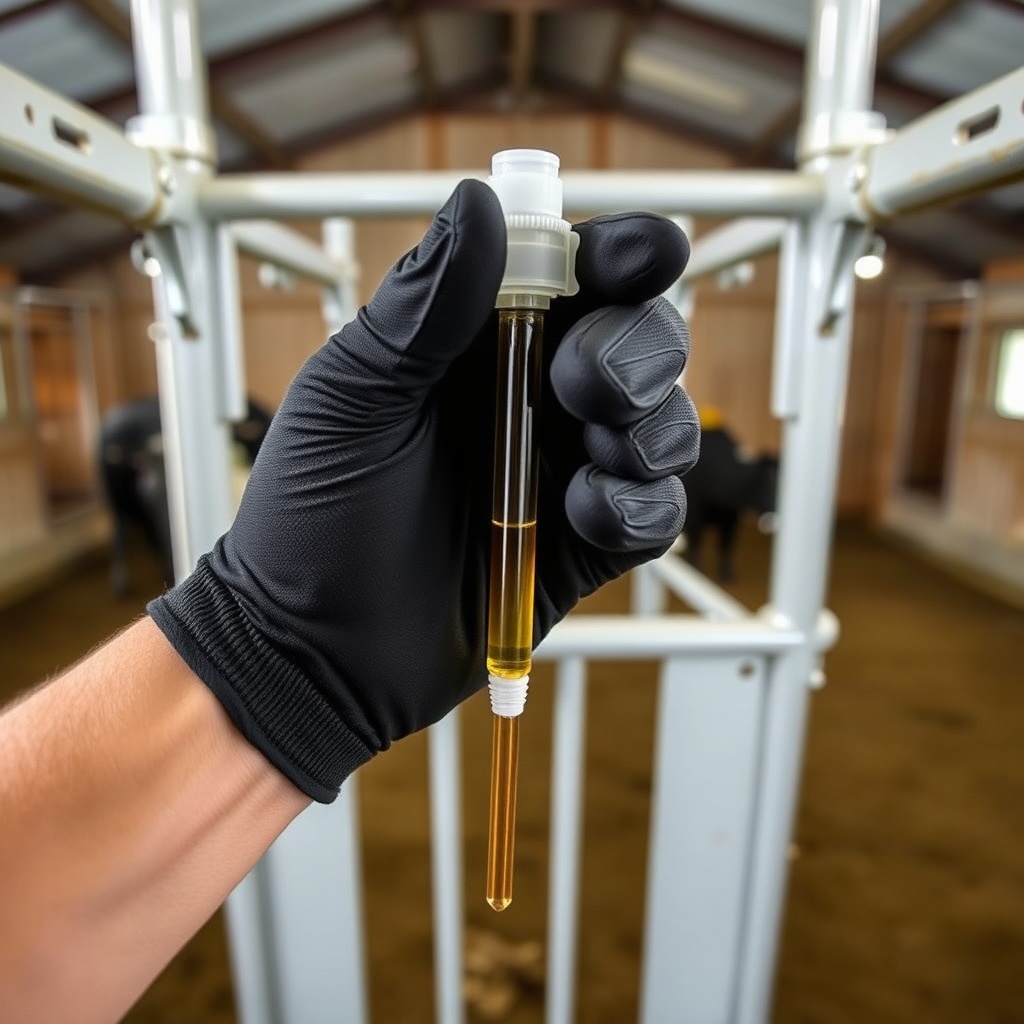
Every 50 hours of operation or monthly, whichever comes first. On the CattleMaster X3, the reservoir sits behind a quick-release panel near the right-hand control bank. Pull the dipstick, wipe it clean, reinsert, and check: the level should rest between the cold and hot marks. If it’s low, top off with ISO 32 hydraulic fluid—don’t mix brands. Also look at the fluid’s colour. Fresh fluid is clear amber; if it looks milky or dark brown, water or contamination has set in. Change the fluid and filter every 300 hours or when it smells burnt.
For operators running in dusty conditions, add a magnetic plug to catch metal shavings. These are cheap (around £15) and give early warning of pump wear. If you see glittery particles, schedule a pump inspection before the next processing day.
What Are the Critical Hydraulic Hose and Fitting Inspection Points?
CattleMaster X3 uses six main hoses that route from the pump to the squeeze, headgate, and crowd gates. Inspect them at every fluid check. Look for chafing where hoses rub against the frame, especially near the pivot points on the squeeze arm. The factory routing keeps most hoses clear, but if you’ve added an extra gate or a scale bracket (see Integrating CattleMaster X3 with Digital Scales for Weight Tracking), the path may have shifted. Replace any hose that shows cracks, bulges, or wet spots immediately.
Fittings are equally important. The O-rings at the quick-connect couplings dry out over time. Apply a light film of hydraulic oil to them before reconnecting. Torque the 15/16-inch fittings to 45 Nm—over-tightening can crack the ferrule. One owner in Nebraska found a loose fitting after just 80 cows; it was dripping fluid but not enough to show on the dipstick. Regular wrist-checking under the panels saves trouble.
How to Inspect the CattleMaster X3 Frame for Rust Hotspots
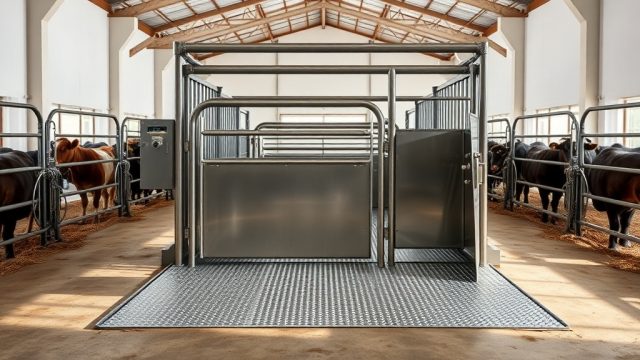
The frame is made from 7-gauge steel with a powder-coat finish, but rust starts wherever the coating chips. Common hotspots include the lower crossmembers (where manure and urine splash), the headgate hinge brackets, and around any welded attachment points. Use a pressure washer with a degreasing brush to clean these areas quarterly. Once dry, run a fingernail over any rough spots. If the coating flakes, you’ve found a rust initiation site.
For early rust, sand it to bare metal with 80-grit paper, wipe with mineral spirits, and apply a cold-galvanising spray (available at farm stores for about £12 per can). For deeper pitting, wire-brush the area and use a two-part epoxy primer before top-coating. Don’t use standard spray paint—it won’t bond to the powder coat. One handler in Texas had to replace a headgate bracket after ignoring bubbling paint for two seasons. A simple touch-up every fall prevents that.
Which Lubrication Points Require Annual Greasing for Hydraulic Cylinders?
The CattleMaster X3 has eight grease zerks on the hydraulic cylinder pivots: two on the squeeze arm, two on the headgate pivot, two on the tailgate, and two on the crowd gate linkage. Apply a lithium-based NLGI #2 grease with a hand gun at every 100-hour service. Pump until fresh grease purges from the joint. If a zerk won’t take grease, replace it (a bag of ten costs about £8). Frozen zerks often indicate a seized pin, which requires disassembly.
Also grease the manual-override levers. These are often overlooked because they move freely when dry, but the sliding friction accelerates wear. One shot every six months keeps the action smooth. For the cylinder rods themselves, wipe them clean with a soft cloth after each use—don’t grease them, as dirt sticks to excess lube and scores the chrome plating.
Is There a Seasonal Rust Prevention Protocol for the CattleMaster X3?
Yes, especially if you keep the unit outdoors or in a barn with high humidity. In autumn, before winter wet sets in, do a deep clean: scrub the entire frame with a pH-neutral detergent, rinse, and let it dry fully. Then apply a lanolin-based rust inhibitor (like Fluid Film or Woolwax) to all exposed metal, but avoid the hydraulic cylinder shafts and electrical connectors. A 1-litre aerosol can covers a CattleMaster X3 and costs about £16. Reapply in spring if you used it heavily through calving season.
Owners in coastal areas should repeat this every six months. For indoor units, the main threat is condensation from temperature swings. A simple inspection after every rain event is enough. If you notice any orange bloom, treat it immediately rather than waiting for the next scheduled service. Some operators install a small dehumidifier in the shed—it extends frame life considerably.
| Symptom or Issue | Usually Not Urgent | Needs Attention Soon |
|---|---|---|
| Hydraulic fluid level 1 cm low | Top off at next service | Top off before next use if below cold mark |
| Milky or dark hydraulic fluid | Schedule change within 50 hours | Change immediately before system damage |
| Small surface rust spot < 2 cm² | Touch up within 30 days | Touch up before next rain |
| Chipped powder coat on frame | Sand and spray at next maintenance | Seal with primer within 1 week to prevent spreading |
| Grease zerk that won’t accept grease | Order replacement, use next time | Replace before next working session |
| Hydraulic hose chafing against bracket | Add a nylon sleeve at next downtime | Replace hose and reroute immediately |
What About the CattleMaster X3’s Electrical Connections and Sensor Rust?
If your CattleMaster X3 is equipped with electric actuator options (for the squeeze or headgate), the connectors are the weak point. The factory uses Deutsch-style plugs that are water-resistant, not waterproof. Disconnect them every six months, inspect the pins for green or white corrosion, and apply dielectric grease before reconnecting. For scale systems (covered in Integrating CattleMaster X3 with Digital Scales for Weight Tracking), the load cell connections are especially vulnerable. If you see any corrosion, clean with electrical contact cleaner and a soft brush.
Also check the rubber boots on the manual-override solenoids. They crack after a few years in full sun. Replace them as soon as you see any cracking; a set of four boots costs about £20. One owner in Kentucky ignored a cracked boot and ended up with a solenoid that failed during a veterinary procedure—a messy and expensive lesson.
What Owners Say About Hydraulics and Rust on Their CattleMaster X3
“I bought my CattleMaster X3 three years ago. The hydraulics have been rock-solid, but I wish I’d started greasing the zerks quarterly from day one. After year two, two zerks were seized and I had to drill them out. Now I do it every 100 cows and it’s fine.” —Alistair, Yorkshire
“Rust is a problem if you’re in a rainy region. I keep mine in a pole barn, but the floor stays damp. I started using a lanolin spray on the frame after the second year. It’s a bit messy, but no new rust spots in three seasons.” —Lucas, Oregon
“I compared the X3 to the CattleMaster X3 vs Brisket Boss 5000: Which Handling System Is Better? before buying. The X3’s hydraulic system is simpler to service, but you have to stay on top of the fluid changes. The Brisket Boss’s cylinders are sealed, so they need less attention—but they cost more to replace. For me, the X3’s checkpoint system wins.” —Miguel, California
Frequently Asked Questions About Hydraulics and Rust Prevention for the CattleMaster X3
Q: How often should I change the hydraulic fluid in my CattleMaster X3?
A: Every 300 operating hours or once a year in moderate use. If you work through muddy conditions or high temperatures, reduce to 200 hours.
Q: Can I use a generic hydraulic fluid or must it be ISO 32?
A: ISO 32 or equivalent (like AW 32) is fine. Avoid premium multi-vis oils meant for tractors—they’re too thick and can reduce cycle speed.
Q: What’s the best way to touch up a small rust spot on the powder coat?
A: Sand with 80-grit, clean with mineral spirits, then apply a cold-galvanising spray. Let it cure 24 hours before using the chute. For small spots under 1 cm², a paint marker with rust inhibitor works too.
Q: The hydraulic hoses on my CattleMaster X3 are rubbing against a bracket. Is this normal?
A: Not ideal. The factory routing should avoid contact. Check if a bracket has bent or if you’ve added accessories that shifted the hose path. Add a nylon spiral wrap or move the hose clamp.
Q: How do I know if the hydraulic cylinder rods are wearing?
A: Look for vertical scratches or rust. A smooth, shiny rod is fine. If you see pitting, replace the rod or the cylinder—the pits will tear the seal.
Q: Can I spray my CattleMaster X3’s hydraulic cylinders with rust preventer?
A: No. Avoid any product on the rod’s chrome surface. It attracts dirt and damages seals. Only lubricate the pivot pins and fittings.