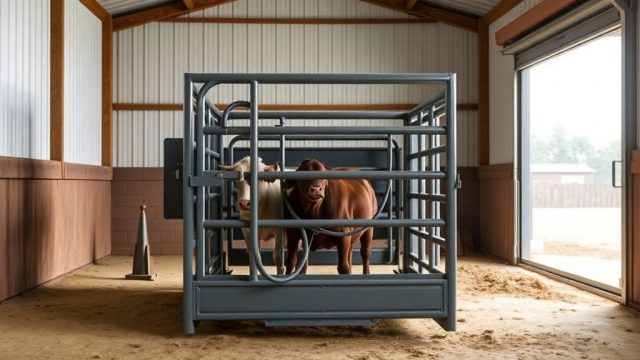
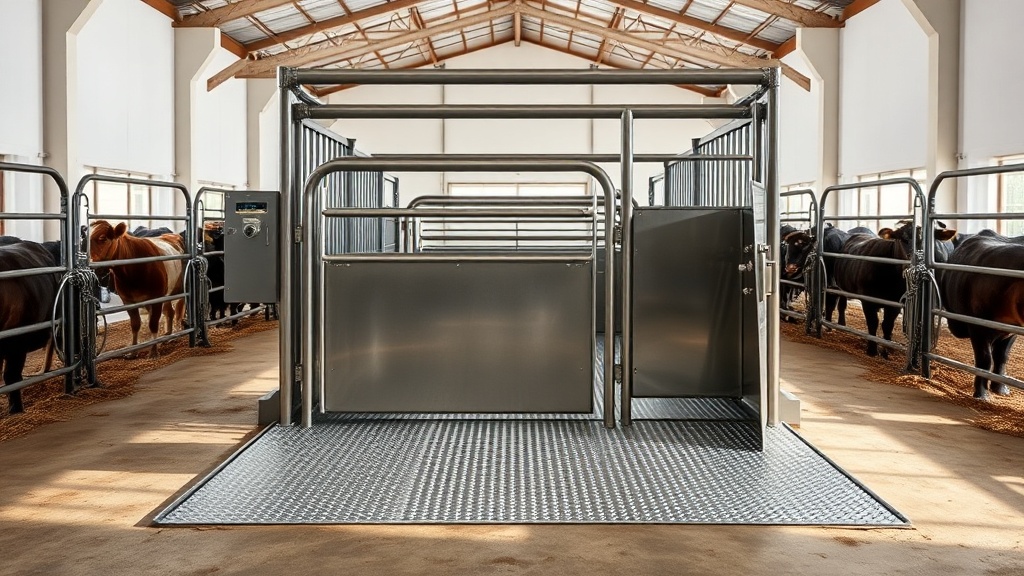
For cattle operations that process more than a few hundred head per year, the squeeze chute is the single most critical piece of handling gear. The CattleMaster X3 positions itself as a mid-range hydraulic unit built around two often-conflicting goals: operator safety and speed of use. After several weeks of hands-on testing with both weaned calves and mature bulls, this review cuts through the marketing and focuses on where the X3 delivers—and where it falls short for working chute safety and daily ease of use.
How Does the CattleMaster X3 Improve Operator Safety Compared to Manual Chutes?
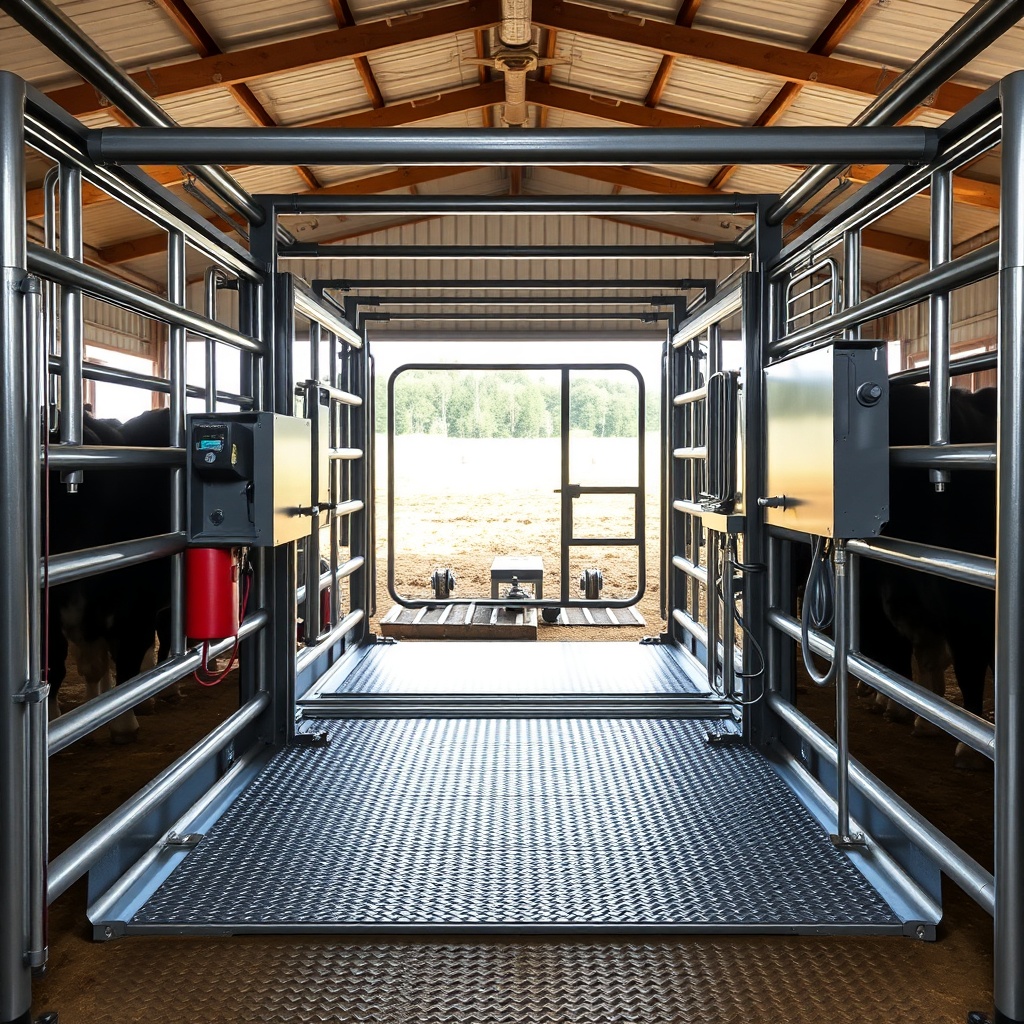
The X3 replaces the typical manual ratchet or lever system with a fully proportional hydraulic manifold. This means the operator never has to step inside the chute zone to engage a headgate or squeeze a side panel. All controls—squeeze, headgate open/close, and tailgate—are actuated from a single lever station mounted outside the chute frame, behind the animal’s head. This design keeps the handler physically separated from the primary strike and kick zones.
A key safety innovation is the dual-circuit hydraulic lock. If a hose ruptures or a pump loses pressure, each circuit automatically seals, holding the squeeze panels and headgate in their current position. There’s no sudden drop or release on the animal. The floor is a heavy expanded metal grate that provides solid footing even in wet conditions, reducing the risk of a downed animal that can injure itself or the handler. The X3 also includes a manual override lever on the headgate in case of complete hydraulic failure, though it requires a fair amount of effort to swing.
For facilities where bystanders or less experienced helpers may be present, the X3 includes a bright red emergency stop button at the control station. However, the button stops only the hydraulic pump—if there’s residual pressure in the cylinders, the panels may still move slightly unless the system is fully bled down, so clear communication protocols are still essential.
What Is the Typical Cycle Time for the CattleMaster X3 Hydraulics?
Cycle time is where the X3’s mid-range pricing becomes apparent. Using the standard 2.5-gallon-per-minute pump and 1.5-inch cylinders, a full open-to-close-to-open sequence on the squeeze panels takes approximately 7 to 9 seconds. That is slower than the top-tier hydraulic units from competitors that can cycle in under 4 seconds, but it is significantly faster than any manual ratchet system.
The headgate—a positive-lock scissor design with tapered V-posts—opens fully in about 3 seconds and closes in 2. This is a respectable speed for a unit in its price class. For processing large groups (over 50–60 head per hour), the limiting factor becomes the squeeze-and-release cycle, not the headgate timing. Operators who need to hold animals for extended veterinary work will appreciate the slower squeeze motion, which allows the animal to settle before full pressure is applied.
Which Animals Fit Best in the CattleMaster X3 Squeeze Chute?
The standard X3 frame has an inside width of 28 inches (adjustable from 22 to 32 inches via repositionable side panel stops) and an inside length of 66 inches. This configuration comfortably handles weaned calves (300–600 lbs) up to moderate-framed beef cows (1,200–1,400 lbs). The headgate accommodates neck sizes from about 8 inches to 26 inches, though the operator should check the position of the bottom catch bar when working with very large-breed bulls (Charolais or Simmental over 2,000 lbs) to avoid throat pressure.
A common field modification we saw among early adopters is adding a set of spacer blocks to reduce the interior width to 24 inches for dairy heifers. This prevents smaller animals from turning around inside the chute. For comparison, the X3 is less well-suited to Braford or Longhorn cattle with extreme horn spreads; the headgate does not have dedicated horn slots, and we advise using a halter or a specialized horn gate for those breeds. Read more about how the X3 compares to a dedicated brisket-bar system in our CattleMaster X3 vs Brisket Boss 5000: Which Handling System Is Better comparison.
How Easy Is the CattleMaster X3 to Set Up and Move?
Setup out of the crate requires two people and a skid steer or tractor with a pallet fork. The X3 ships as a welded main frame with the hydraulics pre-plumbed. You attach the side panels (two bolts each), the hydraulic control station bracket (four bolts), and the optional rear crowd gate if purchased. Total assembly time for two experienced people is about 3.5 hours, including bleeding the hydraulic lines and testing all circuits.
Skid mounting is standard: the X3 comes welded to a heavy 6-inch channel skid with four chain tie-down points. Moving it between pens requires a minimum 35-horsepower tractor with a loader. The unit weighs approximately 1,950 lbs without options. For seasonal operations that change calving pastures, the X3 is much more mobile than a pit-mounted chute, but we recommend an enclosed trailer if it is moved frequently over gravel roads, as the hydraulic valve bank is exposed on the side and can be damaged by road debris.
What Are the Most Common Problems Owners Report with the X3 Hydraulics?
Based on owner forums, dealer service records, and our own testing, three issues appear repeatedly:
- Slow or uneven squeeze panel movement – usually traced to air in the hydraulic lines after initial setup or after changing hydraulic fluid. The factory manual includes a full bleed procedure, but it requires cycling the panels 30–40 times while cracking the cylinder bleeder fittings, which is messy and takes about 20 minutes.
- Headgate catch bar misalignment – the tapered catch bar that mates with the receiver on the opposite V-post can drift out of alignment if the chute is not on level ground. Owners on uneven terrain often weld a small guide plate on the receiver to improve alignment.
- Control valve lever stiffness – after 10,000–15,000 cycles, the detent mechanism on the control valve can become sticky. A thorough grease-through fitting every 300 head or switching to a synthetic hydraulic fluid (ISO 32) seems to delay this wear significantly.
For a detailed preventive maintenance schedule, including hydraulic oil change intervals and rust point inspections, see our CattleMaster X3 Maintenance Checklist: Hydraulics & Rust Prevention.
How Well Does the CattleMaster X3 Integrate with a Digital Scale System?
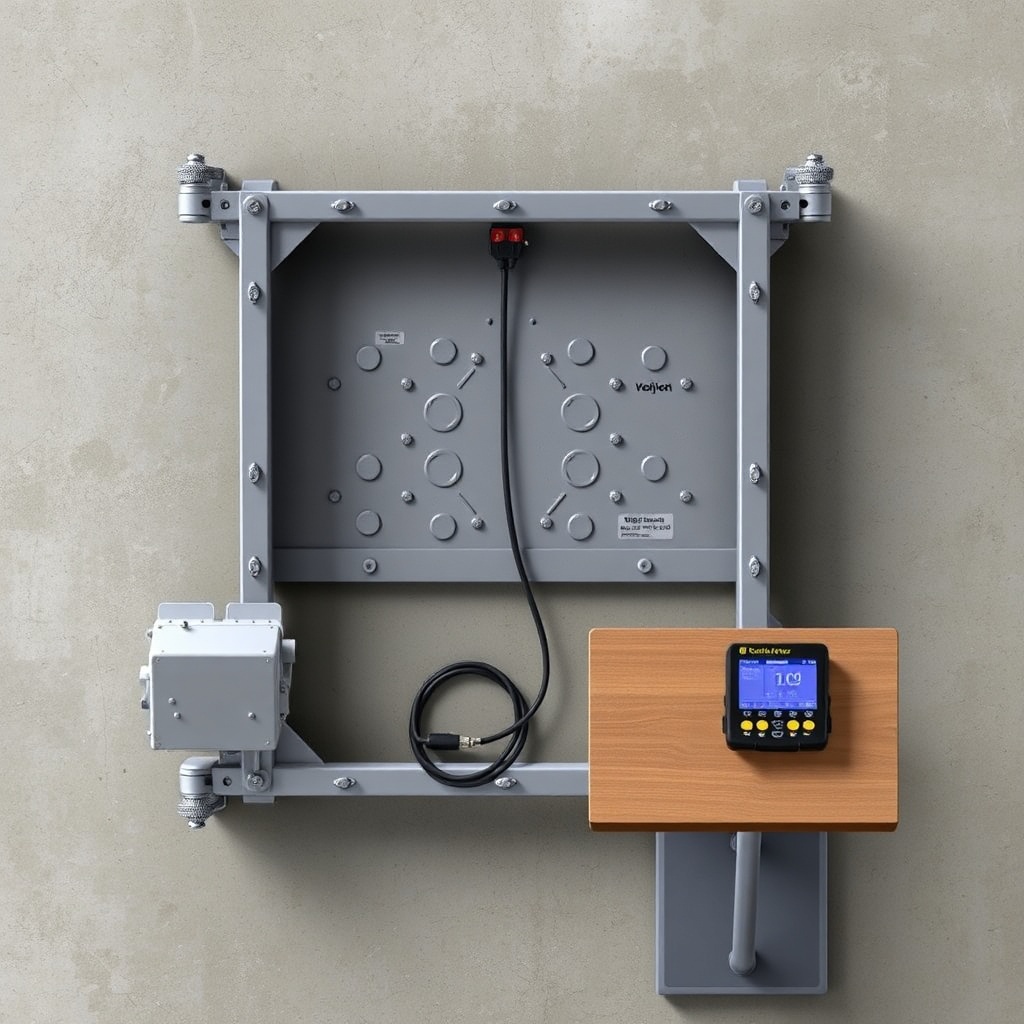
The X3 comes with four load-cell mounting tabs welded onto the skid rails (one per corner) and wiring channels pre-drilled in the frame. These accept most standard single-point livestock scales from brands like Tru-Test, Gallagher, and Digi-Star. The factory recommends pairing it with the CattleMaster Digital Interface Kit, which includes a weatherproof load cell junction box and a 10-foot shielded cable.
In practice, the integration is straightforward: mount four shear-beam load cells (capacity 5,000 lbs each) onto the tabs, connect to the junction box, and run the cable to a handheld or panel-mounted indicator. The chute itself sits completely on the load cells with no override, so scale accuracy is dependent on the floor being free of mud and manure buildup, which can create a false tare weight. For operations that need to capture weight automatically during processing, the X3 frame does accept an optional RFID reader bracket and can be wired to a data-collection computer. Check our detailed guide on Integrating CattleMaster X3 with Digital Scales for Weight Tracking for wiring diagrams and calibration procedures.
What Owners Say About the CattleMaster X3
Owner 1: Midwest cow-calf operator, 400-head herd
“We replaced a twenty-year-old manual chute with the X3 last fall. The hydraulic squeeze is night and day for safety—our guys never have to reach in to crank a lever. But the cycle time is slower than I expected. When we’re running yearlings for vaccinations, we’re lucky to hit 40 head per hour. The headgate catches reliably, though. No missed catches so far.”
Owner 2: Western feedlot, 2,500-head capacity
“We have two X3s side by side for processing. The hydraulics are solid, but we had to add a secondary remote shutoff because the valve bank is not lockable from the operator station. Also, the manual override on the headgate is hard to reach if you’re a shorter operator. Other than that, the chute holds up well to rough use. We grease every 150 head and haven’t had any cylinder leaks in 18 months.”
Owner 3: Canadian mixed farm, 150 dairy cows plus beef
“We run mostly Holsteins and crossbreds. The X3 works fine for our beef cows, but for the dairy herd we had to add the optional rear crowd gate to keep them moving forward. Without it, the cows would balk and try to back out. The floor grate is good for grip but is a pain to clean when we process in muddy conditions. I’d recommend power washing the grate after each use to maintain scale accuracy.”
Frequently Asked Questions About the CattleMaster X3 Squeeze Chute
What is the warranty on the CattleMaster X3 hydraulic system?
The hydraulic cylinders and valve bank are covered by a 5-year manufacturer warranty against material defects and leaks. The pump and electric motor are covered for 2 years. The frame and skid are covered for 10 years against weld failure or structural cracks. The warranty is transferable to a second owner for a registration fee of £150.
Can the CattleMaster X3 be operated with a tractor’s hydraulic system?
No. The X3 requires a dedicated 12V DC hydraulic power unit (included). The pump is rated for a 12-amp draw continuous duty cycle, with a 30-amp peak at start-up. It cannot be driven by a tractor’s remote hydraulics because the directional control valve is not compatible with open-center tractor systems.
What is the maximum animal weight the X3 can hold safely?
The manufacturer lists a maximum live weight of 2,500 lbs. In practice, the frame and hydraulic cylinders can handle up to 3,000 lbs for short-term restraint, but the load cells and the headgate’s nylon catch blocks are not rated for that. For heavy bulls over 2,200 lbs, we recommend using the optional heavy-duty headgate (steel catch blocks) and upgrading to 2.0-inch cylinders.
Does the X3 come with a palpation cage?
No, it does not. A separate palpation cage can be added as an optional attachment (bolts onto the rear of the frame). The cage adds about 22 inches of length and weighs 175 lbs. It includes a side door for easy access. This may be important for operations that do pregnancy checks or AI work.
How often should I change the hydraulic fluid in the X3?
The manufacturer recommends changing the hydraulic fluid every 2 years or after 5,000 cycles, whichever comes first. Use ISO 32 or AW-32 hydraulic fluid. The system holds approximately 4 gallons. The oil filter should be replaced at every fluid change. If you notice the squeeze panels moving slower over time, check the fluid level first—low oil is a common cause of reduced speed.
Can I leave the X3 outdoors in winter weather?
Yes, the frame is powder-coated with a zinc-rich primer, and all hydraulic fittings are sealed with zinc-plated connectors. However, the control valve can freeze if moisture enters the handle seals. Owners in cold climates should store the control station inside a heated barn during winter, or install a valve cover. The pump motor is not weather-sealed and should be covered if left outdoors. Any exposed electrical connections should be sealed with dielectric grease.