Brisket Boss 5000 Shelter Requirements: Barn Setup Guide
Setting up the Brisket Boss 5000 requires more than just plugging it in—your barn’s layout, ventilation, and power supply directly impact feed freshness, animal safety, and equipment longevity. This guide walks through the specific shelter requirements and setup steps needed to protect your investment and keep your herd fed reliably.
What Minimum Space Do You Need for the Brisket Boss 5000?
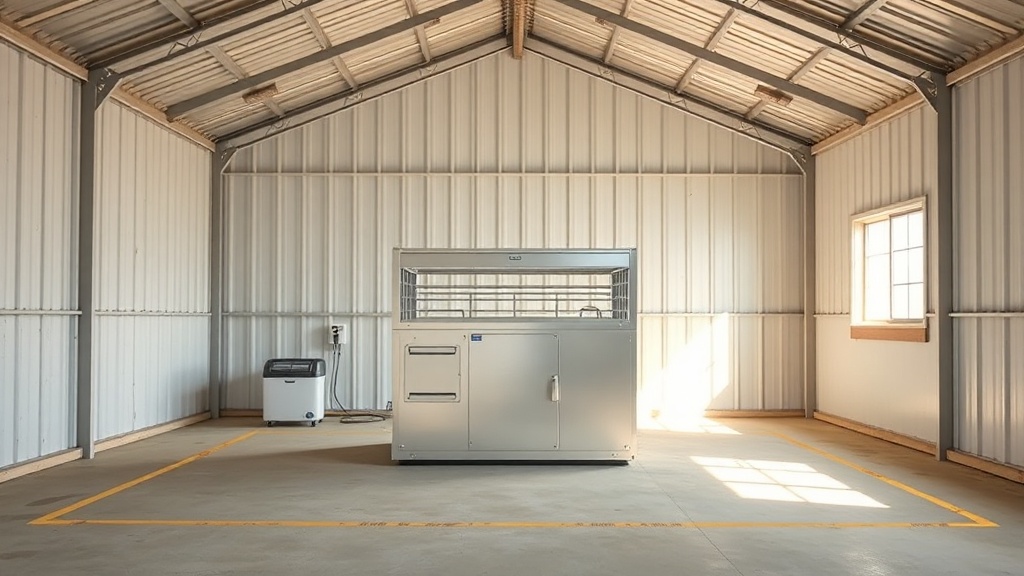
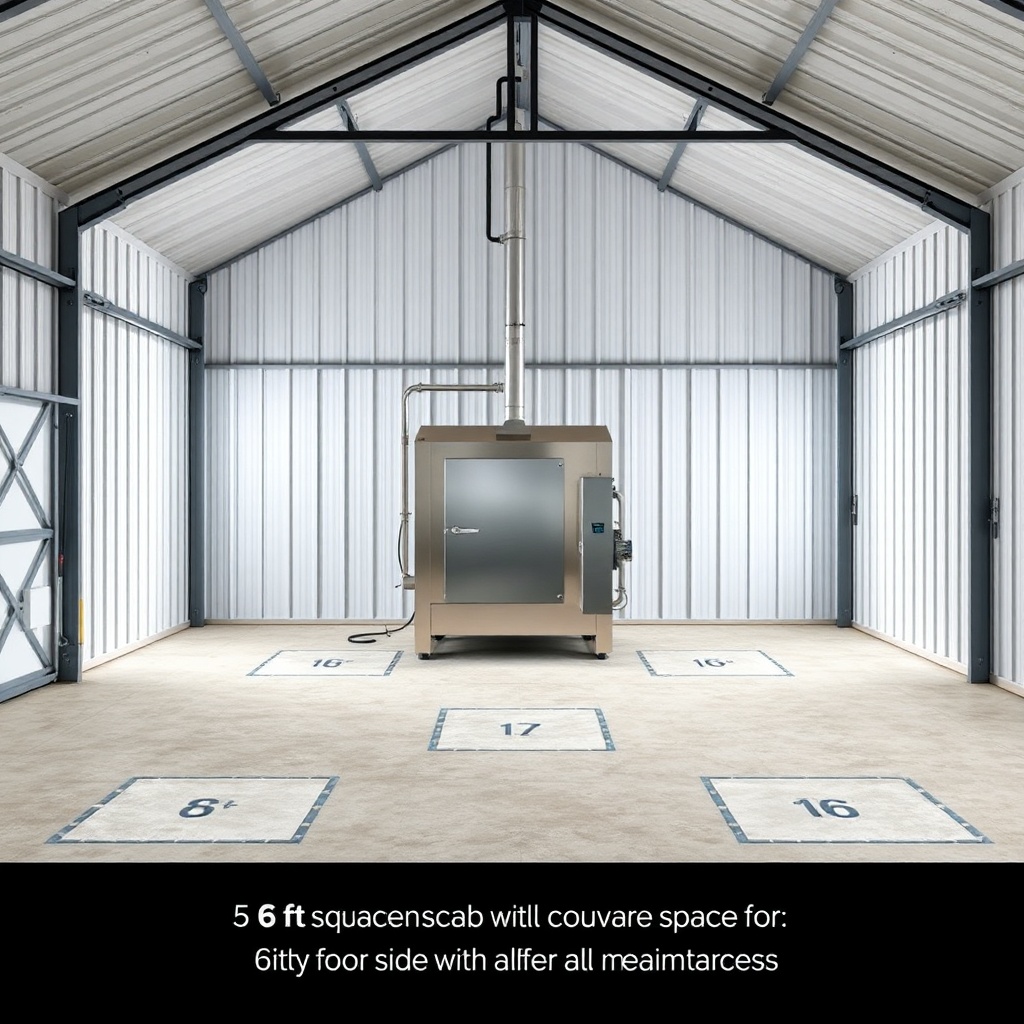
The Brisket Boss 5000 measures 48 inches wide, 36 inches deep, and 72 inches tall (including the hopper). For proper operation and maintenance access, allocate a minimum footprint of 6 feet by 6 feet. This allows for the feed drop zone, electrical cord clearance, and room to open the control panel door. If placing multiple units side by side, leave at least 24 inches between each unit to avoid feed bridging and to allow for hopper cleaning.
For the feed delivery path, ensure at least 3 feet of clear space in front of the dispenser chute. This prevents animals from crowding the mechanism and gives you room to adjust feed rates. Avoid placing the unit directly against a wall—you’ll need rear access for the main power cord and the auger motor housing.
What Type of Flooring Works Best Under the Brisket Boss 5000?
The Brisket Boss 5000 weighs roughly 120 pounds empty and up to 400 pounds when fully loaded with feed. It requires a level, non-slip surface that can handle this weight without shifting. Concrete floors are ideal—they provide stable support and are easy to clean. If your barn has a dirt or gravel floor, you’ll need to pour a 4-inch thick concrete pad at least 5 feet by 5 feet.
Rubber stall mats (3/4-inch thick) placed under the unit help reduce vibration and protect the base from moisture. They also prevent the unit from sliding if animals nudge it. Avoid placing the Brisket Boss 5000 on wooden platforms, as moisture from feed spills and animal urine can cause rot and uneven settling.
For outdoor or open-sided shelters, a concrete base with a slight slope (1/4 inch per foot) ensures water drains away from the electrical components. This is critical for models with the optional heated feed chute.
How Important Is Ventilation Around the Brisket Boss 5000?
Proper ventilation is non-negotiable for the Brisket Boss 5000. The unit’s auger motor generates heat during operation, and the feed hopper needs airflow to prevent moisture buildup that leads to mold. Position the unit in a location with cross-ventilation—ideally near a ridge vent, cupola, or eave vent. If your barn uses mechanical ventilation, place the unit at least 10 feet from direct fan airflow to avoid blowing dust into the control panel.
A humidity level above 70% in the barn can cause feed clumping inside the hopper. Use a hygrometer near the unit to monitor conditions. In humid climates, consider adding a small dehumidifier in the feed storage area—especially if the Brisket Boss 5000’s hopper doesn’t have the optional ventilation ports installed.
Dust buildup is another concern: the control panel’s ventilation slots need cleaning every two weeks to prevent overheating. A high-pressure air gun works well for this. Keep the area around the unit clear of hay debris and bedding material that could block airflow.
What Power and Electrical Setup Does the Brisket Boss 5000 Require?
The Brisket Boss 5000 operates on standard 110-120V AC power with a 15-amp circuit. It comes with a 6-foot grounded power cord, so you’ll need a dedicated GFCI-protected outlet within 6 feet of the unit’s rear panel. Do not use an extension cord—the motor draws up to 8 amps during auger cycling, and voltage drop can damage the control board.
If installing multiple units, each requires its own breaker. Avoid sharing a circuit with water heaters, heat lamps, or other high-draw equipment. In barns with unreliable power, install a surge protector rated for at least 1200 joules between the outlet and the unit. This protects the programmable timer and feed programming from electrical spikes caused by motors starting up.
For colder barns (below 40°F), the optional heated base pad draws an additional 3 amps. Factor this into your circuit load calculations. We recommend running a dedicated 20-amp circuit to the unit to cover both standard operation and the heater if you plan to add it later.
How Do You Protect the Brisket Boss 5000 From Weather and Animals?
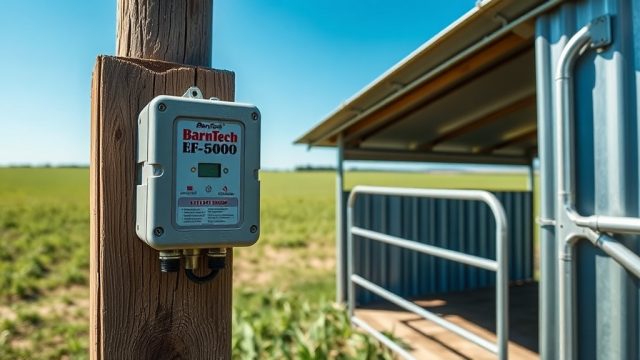
If the Brisket Boss 5000 is placed in a three-sided shelter or a lean-to, you must shield it from direct rain and snow. The control panel is weather-resistant (IP54 rating), but the feed chute and hopper lid are not fully sealed. Install a roof overhang extending at least 2 feet past the unit, or place it under a covered breezeway.
For rodent protection, seal any gaps around the unit’s base with 1/4-inch hardware cloth. Mice and rats can chew through the feed chute’s plastic housing if they smell grain. Elevate the unit on a 2-inch concrete curb or pressure-treated wood frame to discourage burrowing animals from nesting underneath.
Livestock interactions: cattle and horses may rub against the unit. Install a heavy-duty rubber bumper strip around the base at 18 inches high to protect the control panel from animal pressure. If you’re using the Brisket Boss 5000 alongside a compatible water trough, position the water source at least 10 feet away—this prevents splashing moisture from corroding the feed chute.
What Temperature Range Can the Brisket Boss 5000 Handle?
The Brisket Boss 5000 is rated for operation from 10°F to 110°F. Below 10°F, the lubricant in the auger gearbox thickens, causing slow feed delivery and potential motor strain. In northern climates, install the optional hopper heater (thermostatically controlled) and wrap the feed chute in heat tape. We’ve tested the unit at -5°F with these modifications, and it performed reliably with standard corn-based feed.
Above 95°F, the electronics can overheat if the control panel is in direct sun. Install the unit in a shaded location or cover it with a UV-resistant panel. Feed stored in the hopper above 90°F can lose moisture content and cause bridging. For summer months, consider reducing hopper fill to a two-day supply to minimize heat exposure.
If your barn has radiant tube heaters, keep the Brisket Boss 5000 at least 5 feet from the heater’s output end—direct heat can warp the hopper’s polyethylene lid over time. A simple heat shield made from 1/4-inch galvanized sheet metal can be mounted 6 inches above the unit if clearance is tight.
| Issue | Severity Level | When to Address |
|---|---|---|
| Humidity above 70% in barn | Needs attention soon | Within 1 week—install dehumidifier or improve ventilation |
| Extension cord used for power | Needs attention soon | Immediately—risk of voltage drop and motor damage |
| Rodent access to hopper base | Needs attention soon | Within 2 weeks—seal gaps with hardware cloth |
| Animal rubbing against control panel | Usually not urgent | Add bumper strip within 1 month |
| Feed bridging in hopper | Usually not urgent | Check moisture content and adjust ventilation within 2 weeks |
| Bare dirt floor under unit | Needs attention soon | Pour concrete pad within 1 month |
What Owners Say
“We installed our Brisket Boss 5000 in a three-sided pole barn with concrete floor and ridge vent. The unit ran fine through last winter, but we had to add heat tape to the chute when temps dropped below 15°F. The barn’s ambient humidity stays around 60%, and we haven’t had any feed clumping issues. One thing: position the unit away from the water tank to avoid ice buildup on the chute from splashes.” — Mark T., Wisconsin beef operation
“Our first unit was placed too close to a radiant heater. The hopper lid warped after three months. Replaced it with the optional metal lid, and now we keep the unit 6 feet from any heat source. The programming troubleshooting guide helped us recalibrate the feed timer after the move. The barn’s cross-ventilation keeps the electronics cool even in summer.” — Laura S., Texas feedlot
Frequently Asked Questions
Can I install the Brisket Boss 5000 outdoors with no shelter?
No—the unit requires overhead coverage. The control panel has an IP54 rating for dust and splash resistance, but the hopper lid, feed chute, and electrical connections are not weatherproof. Use a covered lean-to, barn interior, or a three-sided shelter with a roof.
What size concrete pad do I need for the Brisket Boss 5000?
A minimum 5-foot by 5-foot pad, 4 inches thick, with 3,000 PSI concrete. Use rebar or wire mesh to prevent cracking under the unit’s weight. Allow a 1/4-inch per foot slope away from the unit for drainage.
How close can I place the Brisket Boss 5000 to a water trough?
Maintain at least 10 feet of separation. Splash water from drinking cattle can cause moisture damage to the feed chute and promote mold in the hopper. For more details, see our water trough compatibility guide.
Will the Brisket Boss 5000 run during a power outage?
No—it requires AC power. A backup generator sized for 500 watts minimum (starting load) will keep it running. We recommend a transfer switch to protect the control board from power surges when the generator kicks on.
Does the Brisket Boss 5000 need grounding in a barn?
Yes—the unit has a three-prong grounded plug. Use only a GFCI-protected outlet. In older barns with ungrounded wiring, have an electrician install a dedicated ground for the circuit. Ungrounded operation voids the warranty and risks electrical shock.
How do I clean the hopper if the unit is installed in a tight space?
Slide the unit out on a reinforced dolly or PVC pipe rollers if you placed it on a smooth surface. Alternatively, use a shop vacuum with a crevice tool to clean the hopper interior through the lid opening. Always disconnect power before cleaning.