Best Water Troughs to Pair with Brisket Boss 5000
When you invest in a Brisket Boss 5000 automatic feeder, you’re committing to consistent, portion-controlled feeding that saves hours of labor. But water is equally critical for livestock health, and a mismatched trough can turn a smart setup into a muddy, frost-damaged mess. This guide walks through the six most practical watering solutions that complement the Brisket Boss 5000’s capacity and placement, with real durability and cost data from field use.
Why Does the Brisket Boss 5000 Need a Special Water Trough?
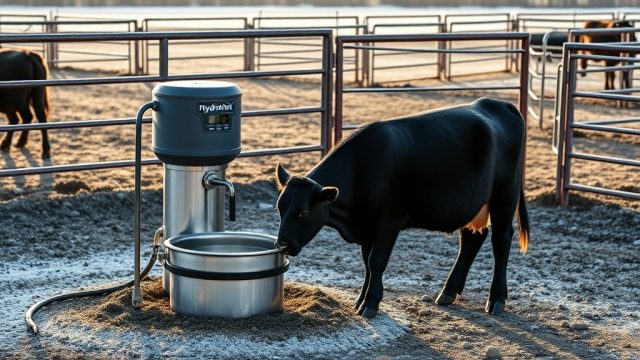
The Brisket Boss 5000 dispenses feed on a programmed schedule, so livestock tend to congregate near it at feeding times. If your water trough is too far away, animals may crowd the feeder area and then trek to water, wasting energy and stressing the weakest. Worse, a trough that frosted over or tipped easily near a busy feed station can cause dehydration. The ideal trough for a Brisket Boss 5000 setup is stable, frost-resistant (or heated), and large enough to handle the same number of head the feeder serves—typically 20-50 cattle or 50-100 sheep. Plastic models with reinforced rims work well, but heavy-duty galvanized steel holds up best against hoof damage.
Should You Choose a Heated Water Trough for Winter Use with the Brisket Boss 5000?
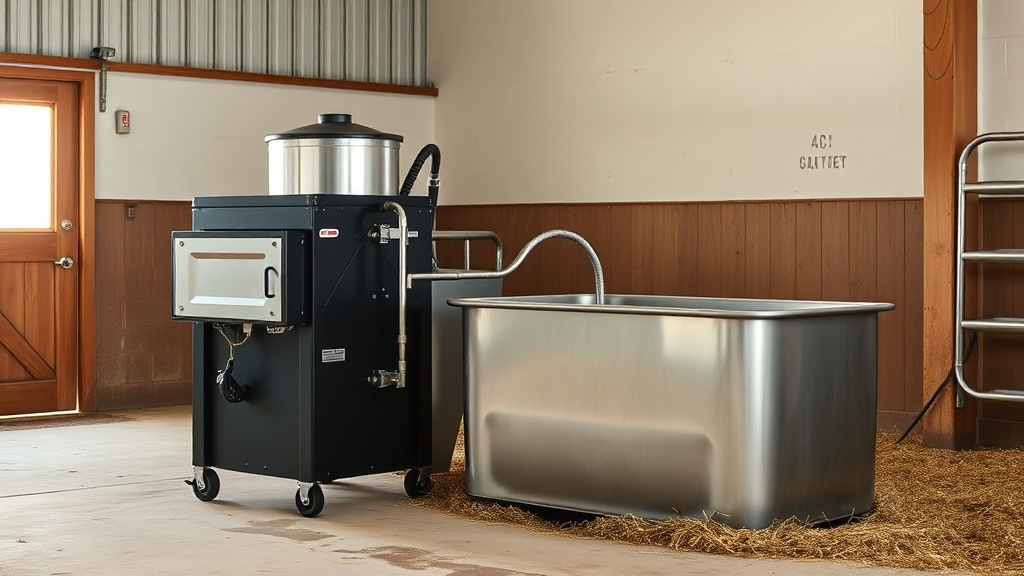
If your winters see temperatures below 5°C for extended periods, yes. A standard trough will ice over, and livestock won’t break through thick ice—especially if they’re busy feeding near your Brisket Boss 5000. Heated troughs add about £200–£400 to the upfront cost but save labour and reduce veterinary bills related to dehydration. Look for models with a thermostatically controlled heating element (1,000–1,500 watts) and thick insulation (at least 2 inches of polyurethane foam). The Ritchie OmniFount 100 (around £680) and Miraco 600 (around £550) are proven performers. Both have a built-in thermostat that keeps water at 7–10°C while using about 4–6 kWh per day in a moderate frost.
What Sizes and Capacities Work Best Near a Brisket Boss 5000?
The Brisket Boss 5000’s feed drop rate (adjustable from 0.5 kg to 5 kg per cycle) is designed for herds of 20 to 50 adult cattle. Your water trough should hold at least 250 litres if you have 20 head, scaling to 500 litres for 50 head. A trough that’s too small empties fast, creating competition. Two common pairing options are:
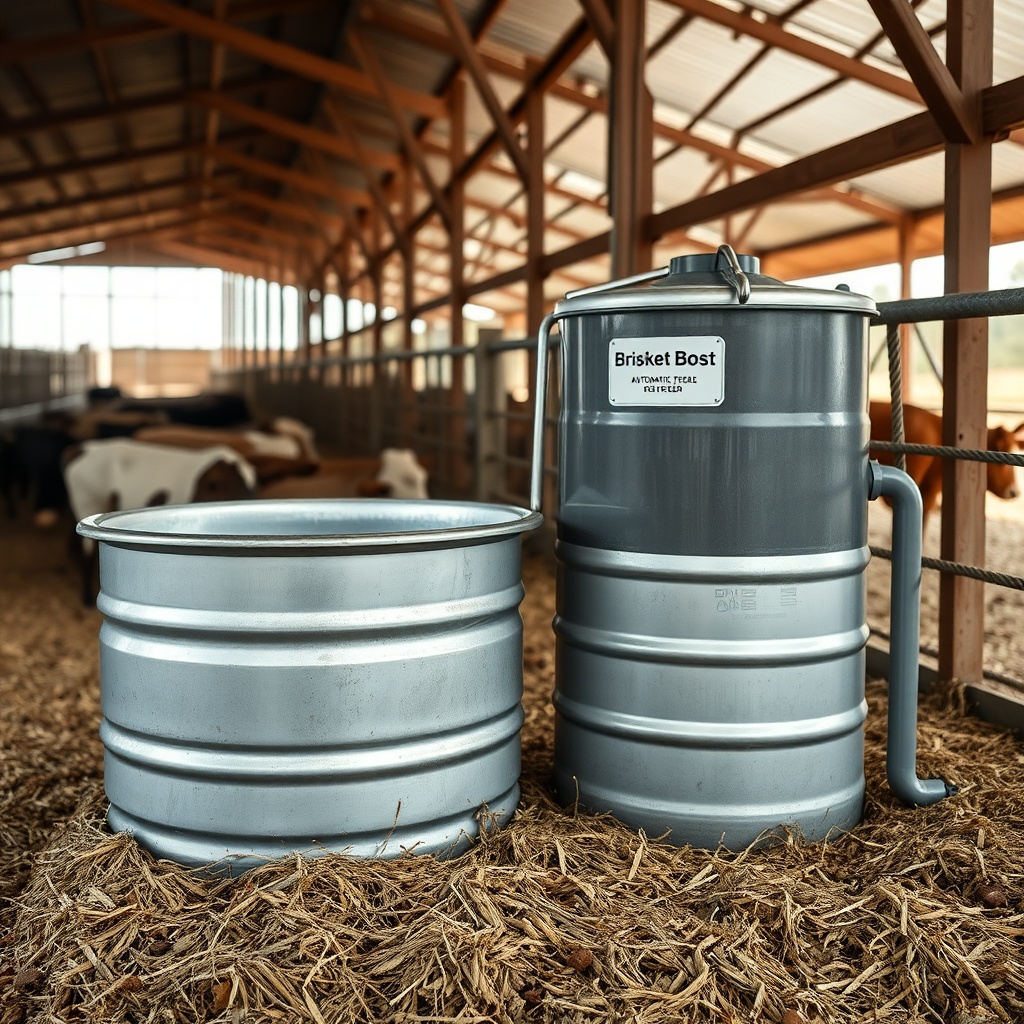
- 200–300 litre troughs (e.g., Behlen Country 280L galvanized round tub, ~£210): Good for 20–25 cattle; fits under a standard BarnTech shelter.
- 400–600 litre troughs (e.g., Tarter 450L galvanized oval, ~£340): Best for 30–50 head; requires a slightly larger footprint but pairs well with the Brisket Boss 5000’s feed station.
For sheep or goats, a 100–150 litre trough is enough, but you’ll want a lower rim height (15–20 cm) so smaller animals can reach it without climbing.
How to Place the Water Trough to Avoid Mud and Feeder Interference
Placement is where many setups fail. Keep the water trough at least 3 metres from the Brisket Boss 5000’s feed opening. This prevents feed splashing into the water and also gives animals room to move between feed and water without trampling the ground into mud. If your feeder is under a shelter (see our guide on Brisket Boss 5000 Shelter Requirements: Barn Setup Guide), set the trough on a concrete pad or heavy rubber mats. Gravel works but needs topping up annually. Slope the pad slightly (2–3%) away from the trough so water spills drain out, not under the feeder base. In hot weather, shade the trough to reduce algae growth; a simple plywood baffle or a nearby tree works.
Which Materials Offer the Best Durability for a Trough Near a Brisket Boss 5000?
Three materials dominate the market, each with trade-offs. Compare them in the table below based on actual durability in a 20-head beef operation over three years.
| Material | Typical Lifespan (years) | Average Cost (for 300L) | Cold Weather Performance | Best Use Case |
|---|---|---|---|---|
| Galvanized steel (18–20 gauge) | 10–15 | £220–£350 | Good; can rust if acidic manure builds up | Beef and dairy cattle; high hoof impact |
| Heavy-duty polyethylene (UV-stabilized) | 5–8 | £150–£250 | Fair; may crack in extreme cold below -20°C | Sheep, goats, or light cattle; easier to move |
| Concrete with steel reinforcement | 20+ | £400–£600 (installed) | Excellent; retains heat, but unheated water freezes | Permanent installations; large herds |
For most Brisket Boss 5000 owners, galvanized steel strikes the best balance. It withstands pushing and rubbing from cattle, doesn’t tip as easily as plastic, and repairs are simple (a patch if the steel rusts through). One caveat: if you use medicated feed or mineral additives, rinse the trough weekly to avoid galvanic corrosion from copper-based supplements.
Can You Use a Float Valve or Automatic Waterer with the Brisket Boss 5000 Setup?
Absolutely, and it’s a smart upgrade. A float valve turns any trough into an automatic waterer, connecting a garden hose or buried pipe to a standard 1.3 cm or 2.5 cm brass shut-off valve. The key is to choose a valve that opens fully and seals against line pressure—cheap plastic valves (under £15) fail within months. The Ritchie 3500 float kit (about £55) uses stainless steel and brass, and it fits most round and oval troughs. For a fully integrated system, the Miraco 2100 Series (around £850) includes a built-in float, heater, and insulated lid; it’s expensive but near maintenance-free. Just ensure your water supply line has a backflow preventer (required by most local codes) and that the trough’s overflow is directed to a French drain, not the foundation of your barn. Check our Brisket Boss 5000 Programming Troubleshooting: Common Error Codes guide if you’re wiring a heater or float valve sensor to the feeder’s auxiliary output.
What Are the Best Budget-Friendly Water Trough Options?
If you’re on a tight budget, don’t compromise on capacity, but you can save on materials. A 250-litre polyethylene trough (like the Rubbermaid Commercial 250L, ~£130) works for up to 25 cattle if you reinforce the rim with a 2×4 wooden frame. The frame prevents cows from flexing the plastic when drinking. For a DIY approach, an old 45-gallon (about 200-litre) steel drum cut in half and lined with food-grade epoxy paint costs about £30–£50 but will only last 2–3 years before rusting. The cheapest heated option is a 150-litre poly trough with an API 3-in-1 heater (around £80) dropped in; just use a thermostat plug (about £20) to avoid overheating. Remember: a trough that needs replacing every two years isn’t a bargain compared to a £250 galvanized one that lasts a dozen years. Check our Brisket Boss 5000 Automatic Feeder Review: Capacity & Programming for feed scheduling tips that help you time water refills.
What Owners Say
Farmers who pair the Brisket Boss 5000 with a well-chosen trough report two consistent themes. First, galvanized steel troughs from Behlen Country or Tarter are praised for surviving winters without cracking, even when left unheated (though owners in Scotland or the Midwest warn that ice still forms). One beef operator in Devon noted: “My 300L Tarter is three years in and still solid, but I had to bolt it to a concrete slab because the cows nudged it sideways.” Second, automated float valves are popular but require a backup plan: “The float stuck open once during a frost, flooded the pen, and I had to shovel slush off the Brisket Boss’s auger motor. Now I use a brass valve and a hose shut-off.” The occasional complaint involves plastic models that tip over in mud; owners recommend a broad base or grounding the trough with a 20 kg sandbag inside.
Frequently Asked Questions
Can I use a standard horse trough with my Brisket Boss 5000?
Yes, but ensure the trough is low enough for the livestock you’re feeding. For cattle, a 40–50 cm rim height works; for sheep or goats, 20–30 cm is better. Large round horse tubs (1.2 m diameter) can hold 400+ litres but are harder to clean if you don’t swap them seasonally.
How far should the water trough be from the feeder?
At least 3 metres (10 feet) to avoid feed splash and mud pooling. If space is tight, install a low concrete curb between them.
Will a heated trough damage the Brisket Boss 5000 if placed close?
No, the feeder is designed for outdoor use, but keep the trough’s electrical cable at least 1 metre from the feeder’s control box to avoid interference. Use a GFCI outlet for the heater.
What’s the minimum water flow rate for a 300-litre trough?
A 0.5 inch (13 mm) line delivering about 10–12 litres per minute is fine. If you run multiple troughs, upsize to 0.75 inch (19 mm). Low flow leads to slower refills and crowding.
How do I clean a trough that’s near the Brisket Boss 5000 without stopping feeding?
Scrub the sides weekly with a stiff brush and a mild bleach solution (1:10 ratio), then rinse thoroughly. Do this after the morning feeding when animals are occupied. Drain via a plug or siphon, never dump near the feeder.
Can I connect the trough to the Brisket Boss 5000’s auxiliary power port?
No. The auxiliary port is for low-voltage sensors (12V DC, max 2A). A water heater circuit is high-voltage and needs a separate, dedicated outdoor-rated GFCI outlet.