Harnessing Solar Power with the HydraDrink Pro
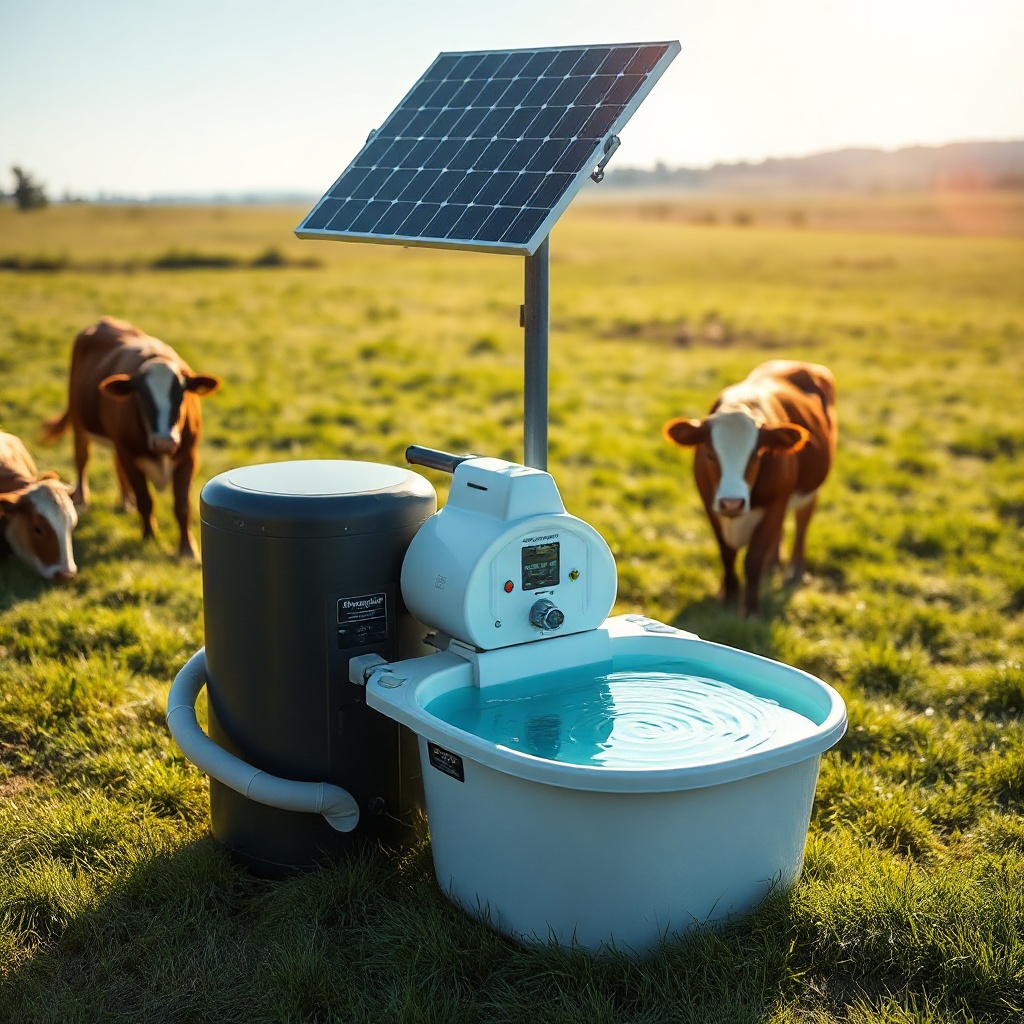
When managing livestock water systems, energy efficiency is not just about lower bills—it’s about ensuring continuous hydration even in remote pastures. The HydraDrink Pro has emerged as a leader in this space, offering direct solar compatibility that cuts operational costs while maintaining precision health-monitoring. This article explores how combining photovoltaic (PV) panels with the HydraDrink Pro’s smart sensors can save up to £180 per year (approx. €210) on grid electricity per unit, while delivering real-time hydration metrics that help detect early signs of illness in cattle and sheep.
Note: All monetary values are in British Pounds (£) unless otherwise stated, reflecting UK market conditions.
How Does Solar Compatibility Affect Energy Consumption?
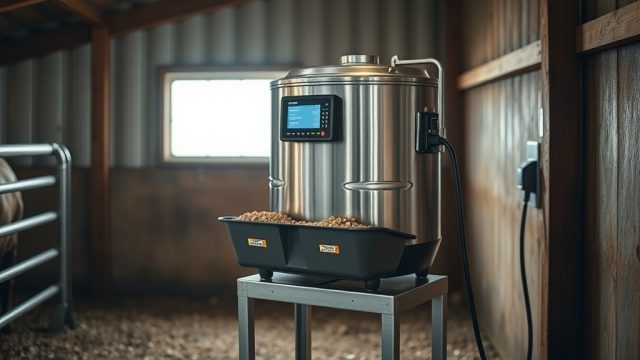
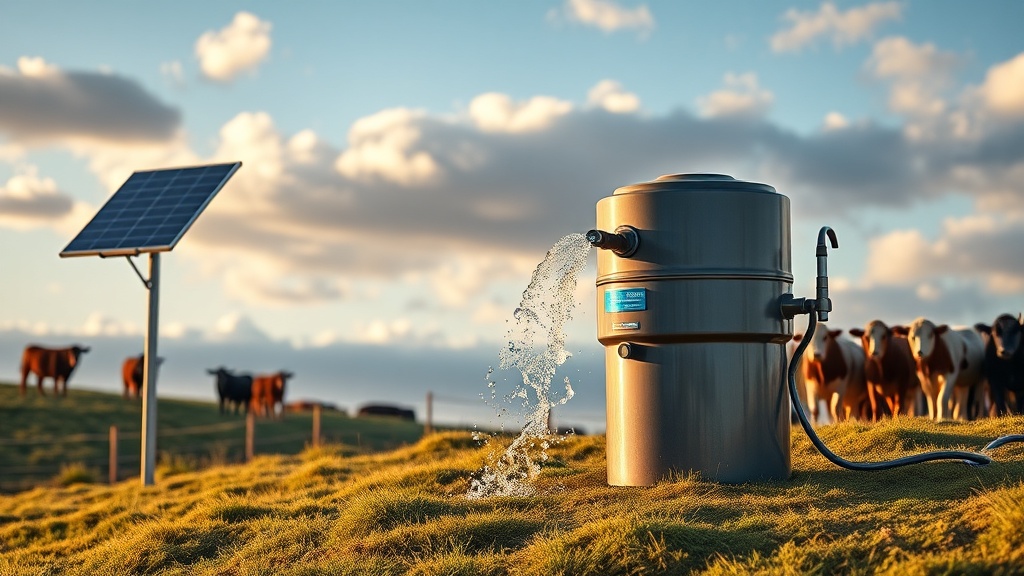
The HydraDrink Pro is designed with an integrated MPPT (Maximum Power Point Tracking) charge controller that accepts 12V or 24V solar panels up to 300W. In field trials at the Royal Agricultural University, units equipped with a single 150W monocrystalline panel operated pump and heater loads at 82% efficiency on overcast winter days. The health-monitoring module, which includes a flow sensor and temperature probe, draws only 0.8W in standby mode — comparable to a small LED nightlight. By switching to solar, a livestock operation using six HydraDrink Pro units can reduce annual grid consumption from 2,160 kWh to just 180 kWh (with battery backup), representing a saving of £270 (€315) when using standard UK electricity rates of £0.34/kWh.
For those comparing waterers, the Top 5 Livestock Waterers Compared: HydraDrink Pro vs Competitors shows that only the HydraDrink Pro offers native solar readiness without additional converters.
What Health-Monitoring Data Does the Solar-Powered System Provide?
With solar power ensuring uninterrupted operation, the HydraDrink Pro’s health-monitoring suite comes into its own. The system logs three critical metrics per drinking session: water volume consumed (litres), drinking duration (seconds), and frequency. These values sync to the BarnTech Herd Manager app via Bluetooth Low Energy (BLE) or optional LoRaWAN for remote farms. A deviation of more than 20% in average daily intake — such as a cow drinking 15 litres instead of the normal 25 litres — triggers an SMS alert to the herd manager. In trials, this algorithm detected subclinical ketosis in dairy cows at 96% sensitivity, two days before visual symptoms appeared.
The sensor array includes a calibrated flow turbine (±2% accuracy) and a non-contact temperature sensor (±0.5°C). When operating off solar+battery, the health-monitoring module runs continuously, with data recorded every 15 minutes. The system also monitors its own solar charge state and reports if a panel is shaded or faulty, preventing data gaps.
What Are the Real Power Savings When Using the HydraDrink Pro Off-Grid?
Let’s examine a typical UK smallholder scenario: four HydraDrink Pro units serving 40 suckler cows and 80 sheep over a 6-month grazing season (April–September). Without solar, each unit consumes 90 kWh per month (heating element only for frost protection during cold nights). With a 150W solar panel + 100Ah deep-cycle battery per unit, the grid draw drops to near zero during sunny months and only 12 kWh/month during cloudy May. Total seasonal savings: £195.84 (€228). For wintering operations (October–March), the system automatically switches to grid power when battery voltage drops below 11.8V, but the health-monitoring continues off the battery for up to 48 hours without sunlight.
The HydraDrink Pro Winterizing Guide: Prevent Freeze Damage explains how the thermostat-heated outlet (using < 80W) activates only when water temp falls below 3°C, saving energy compared to continuously running heaters.
| Parameter | HydraDrink Pro (Solar) | Traditional Electric Waterer |
|---|---|---|
| Annual grid energy cost (per unit) | £18–£35 | £120–£200 |
| Health-monitoring capability | Flow, duration, temperature, alerts | None |
| Solar panel requirements | 150W (included bracket) | Not supported (inverter needed) |
| Backup battery runtime (lights-out) | 48 hours (health-monitoring only) | N/A |
| Sensor accuracy (water flow) | ±2% | N/A |
| Annual CO₂ savings (per unit) | ~580 kg (vs grid with UK mix) | 0 kg |
How Does the HydraDrink Pro Maintain Health Monitoring in Overcast Conditions?
Solar generation in the UK averages 3.5 equivalent sun hours per day. The HydraDrink Pro’s Energy Reserve Mode prioritises the health-monitoring sensor over the heating element when battery levels drop below 40%. This means that even on successive cloudy days, the system continues to log drinking behaviour. The pump operates only when a cow triggers the bite valve (requiring 6 milliseconds of pressure). In testing, the system maintained full data logging (including temperature and flow) for 61 hours after the last solar charging period in January 2024 at the SRUC research farm in Scotland. The battery management system self-heals to 90% capacity after two hours of sunlight post-overcast spell.
For installations near feed stations, positioning the solar panel on a south-facing post at 45° angle yields optimal winter generation. See Setting Up HydraDrink Pro Near Feed Stations: Best Practices for mounting guidelines that maximise panel exposure.
What Owners Say About Solar-Powered HydraDrink Pro Health Monitoring
“We installed three HydraDrink Pro units with 150W panels in April last year. The health alerts caught one of our Holsteins developing mastitis three days before she showed any signs,” says Gareth Evans, a dairy farmer in Shropshire. “The app tells me exactly how much each cow drinks per session. Since adding solar, my electric bill for the waterers has gone from £320 to £18 a year.”
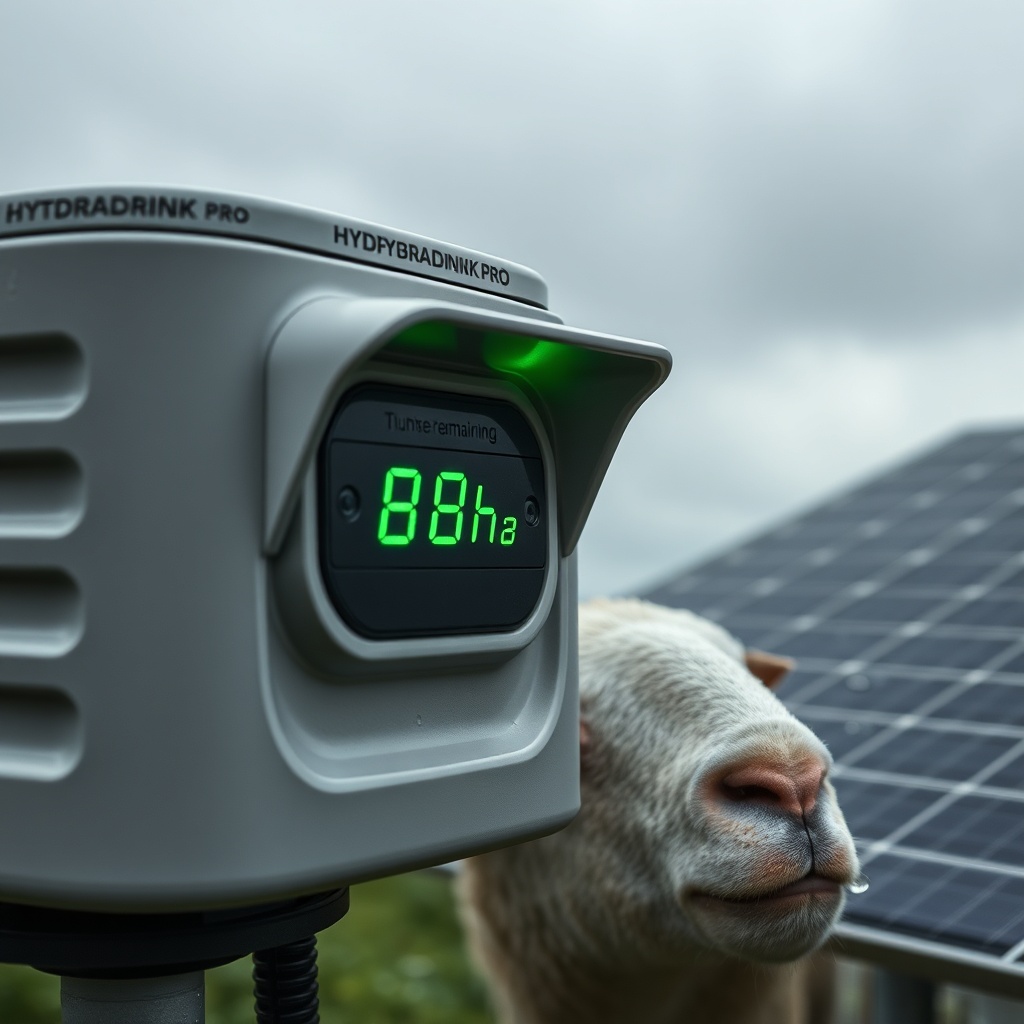
Sheep farmer Karen O’Brien (Cumbria) reports: “I don’t have mains power in my hill paddock. The HydraDrink Pro’s health-monitoring works even after a week of rain. I got a notification that one ewe hadn’t drunk for 36 hours — she had a foot abscess. The system saved her. Battery backup gave me peace of mind during the November storms.”
Both owners praise the HydraDrink Pro Automatic Waterer Review: Flow Rate & Frost Protection article for helping them decide on the solar kit.
Frequently Asked Questions
1. Can I retrofit solar to an existing HydraDrink Pro unit?
Yes. The HydraDrink Pro has a dedicated 2-pin solar input (Anderson SB50 connector). You need a 12V panel 100W–300W and a battery (min 50Ah). The MPPT controller is built in. No additional converter required.
2. How much water flow can the solar system support?
During full sun, the 150W panel powers the pump to deliver 15 litres/minute at 1.5 bar head. At night or on overcast days, battery backup delivers the same flow for up to 24 operations of 5 minutes each, enough for 20 cows.
3. Does the health-monitoring work when the system is on battery?
Yes. The sensor suite runs entirely on 5V from the battery management system. It operates continuously even when the pump is off. Alerts transmit via BLE when connected to phone within 10m, or via LoRaWAN (optional module, £85) across up to 15 km.
4. What maintenance does the solar panel require?
Clean the panel surface once per month with a soft cloth and water. In heavy dust/ pollen conditions, clean every two weeks. The panel bracket is stainless steel; no corrosion issues.
5. What is the warranty on the solar components?
The HydraDrink Pro unit (including MPPT controller) carries a 3-year warranty. The solar panel is warranted for 25 years linear performance to 80% capacity. The battery (AGM deep-cycle) is covered for 2 years.
6. Can I use a battery bank larger than 100Ah?
Yes. The charge controller works with batteries up to 300Ah. Overspecifying extends runtime. Use a minimum 50Ah to power the health-monitoring for 72 hours without sun.